Hashimoto's disease, also known as chronic lymphocytic thyroiditis, is the most common cause of an underactive thyroid (hypothyroidism). It's an autoimmune disorder, meaning your body's immune system mistakenly attacks healthy tissues.
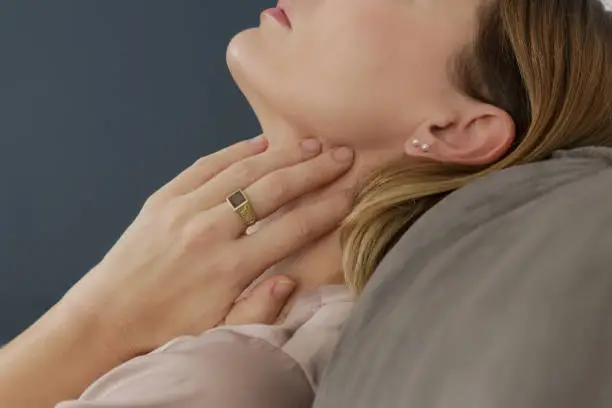
In Hashimoto's disease, the target is the thyroid gland, a butterfly-shaped gland located at the base of your neck. The thyroid plays a vital role in regulating your metabolism, affecting energy levels, body temperature, and heart rate. When it's underactive, various bodily functions can slow down, leading to a range of symptoms.
Common Symptoms of Hashimoto's Disease:
While symptoms can vary from person to person, some of the most common ones associated with Hashimoto's disease include:
- Fatigue: This is a hallmark symptom, often described as a persistent tiredness that doesn't improve with rest.
- Weight gain: Unexplained weight gain despite no significant changes in diet or exercise can be a sign of an underactive thyroid.
- Hair loss: Thinning hair or hair loss, particularly on the outer eyebrows, can occur.
- Dry skin: Rough, dry, and itchy skin is a frequent complaint.
- Intolerance to cold: Feeling colder than usual and having difficulty staying warm can be a telltale sign.
- Irregular menstrual cycles: Women with Hashimoto's may experience irregular periods, heavier bleeding, or even missed periods.
- Muscle weakness and aches: Stiffness, pain, and weakness in muscles are common.
- Brain fog: Difficulty concentrating, forgetfulness, and feeling mentally sluggish can be experienced.
- Depression and anxiety: Mood swings, low mood, and anxiety are possible symptoms.
- Constipation: Slower digestion and infrequent bowel movements can occur.
Diagnosing Hashimoto's Disease:
A simple blood test can diagnose Hashimoto's disease. This test measures the levels of thyroid hormones (T4) and thyroid-stimulating hormone (TSH). Additionally, an antibody test can detect the presence of anti-TPO antibodies, which are specific to Hashimoto's and attack the thyroid gland.
Treatment Options for Hashimoto's Disease:
The good news is that Hashimoto's disease is a manageable condition. The primary treatment involves synthetic thyroid hormone replacement medication, typically levothyroxine (Synthroid, Levothroid). This medication aims to replace the missing thyroid hormones and regulate your metabolism. Regular blood tests are necessary to monitor hormone levels and adjust the dosage as needed.
Living with Hashimoto's Disease:
While there's no cure for Hashimoto's disease, managing it effectively allows you to live a normal and healthy life. Here are some tips for successful management:
- Medication Adherence: Taking your medication consistently and at the prescribed time is crucial. Don't skip doses or adjust your dosage without consulting your doctor.
- Healthy Diet: Eating a balanced diet rich in fruits, vegetables, and whole grains provides essential nutrients for optimal thyroid function. Consider including foods rich in selenium, such as Brazil nuts and seafood, as some studies suggest a potential benefit.
- Regular Exercise: Aim for moderate physical activity most days of the week. Exercise can help improve energy levels, mood, and overall well-being.
- Stress Management: Chronic stress can worsen Hashimoto's symptoms. Techniques like yoga, meditation, or deep breathing exercises can be helpful for stress reduction.
- Adequate Sleep: Prioritize getting enough quality sleep each night. Aim for 7-8 hours of sleep for optimal physical and mental health.
- Regular Doctor Visits: Maintain regular appointments with your doctor to monitor your thyroid function and adjust medication as needed.
- Support Groups: Connecting with others who understand the challenges of Hashimoto's can be invaluable. Consider joining online or in-person support groups.

Can Hashimoto's Disease Be Prevented or Reversed?
Unfortunately, there's currently no known way to prevent or reverse Hashimoto's disease. However, early diagnosis and proper management can significantly improve your quality of life. By following the recommended treatment plan and adopting healthy lifestyle habits, you can minimize symptoms and maintain optimal thyroid function.
Living a Fulfilling Life with Hashimoto's Disease:
Hashimoto's disease can be a challenge, but it doesn't have to define your life. With proper diagnosis, treatment, and lifestyle modifications, you can manage the condition effectively and live a full and healthy life. If you experience any symptoms suggestive of Hashimoto's disease, consult a healthcare professional for proper diagnosis and treatment. Remember, early intervention is key!