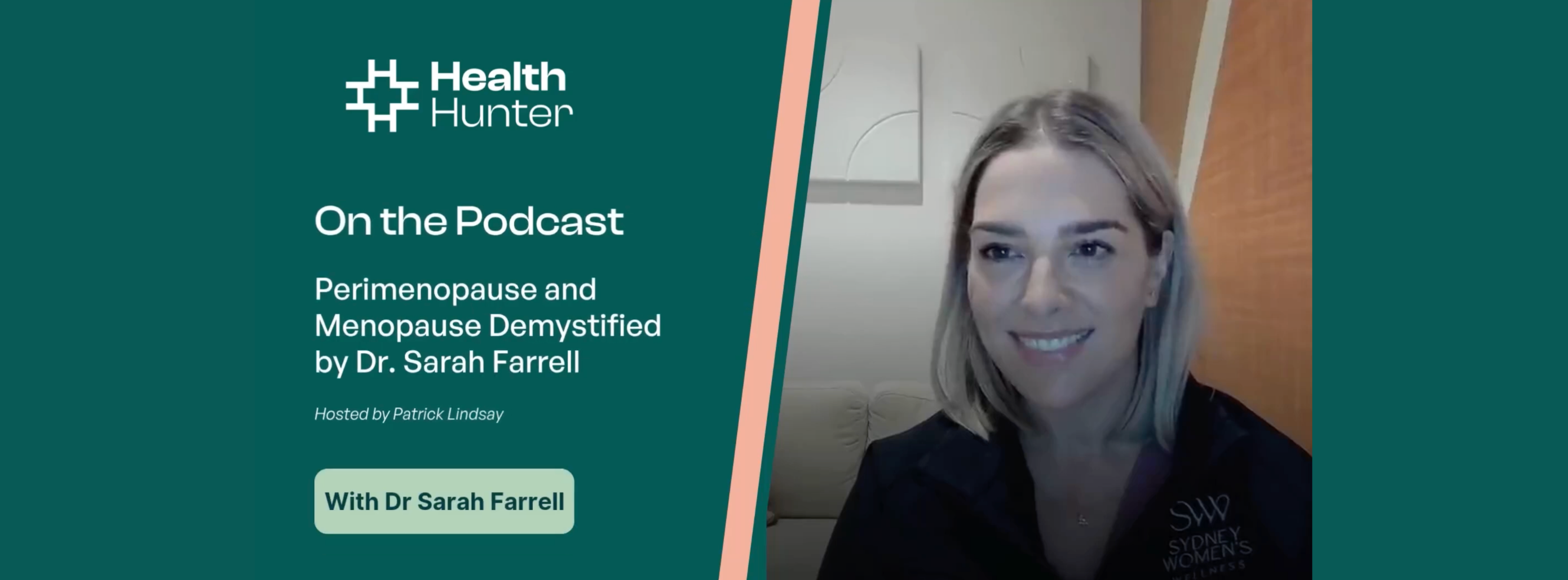

Hormonal balance plays a central role in women’s overall health, influencing energy levels, mood, metabolism, and reproductive function. Nutrition is one of the most powerful tools for supporting hormonal stability. Understanding how food interacts with hormones helps women make informed choices for long-term wellbeing. Health Hunter offers access to reliable knowledge that supports informed health decisions.
Understanding Hormonal Balance in Women’s Health
Hormones act as chemical messengers that regulate many vital processes in the female body. Even small imbalances can affect physical and emotional health. A strong nutritional foundation is often recommended by a women’s hormone practitioner to support stable hormone production and regulation naturally.
What Hormones Control in the Female Body
Hormones regulate menstrual cycles, fertility, metabolism, sleep, and stress response. Estrogen, progesterone, cortisol, insulin, and thyroid hormones work together to maintain balance. When nutrition supports these systems, the body can respond more efficiently to internal and external changes.
Common Signs of Hormonal Imbalance in Women
Symptoms of imbalance may include irregular periods, fatigue, mood swings, weight changes, and sleep issues. Skin concerns and digestive discomfort can also appear. Recognising these signs early helps women take proactive steps through diet and lifestyle adjustments.
Why Nutrition Plays a Key Role According to a Women’s Hormone Practitioner
A women’s health or hormone practitioner often highlights nutrition as a foundational tool for balance. Nutrients provide building blocks for hormones and support detox pathways. Consistent, whole-food-based eating patterns help stabilise blood sugar and reduce hormonal stress on the body.
How Food Impacts Hormones at Different Life Stages
Women experience hormonal shifts across various stages of life. Nutritional needs evolve accordingly. Understanding these changes allows food choices to align with the body’s natural rhythms and demands.
Hormonal Changes During the Menstrual Cycle
The menstrual cycle involves fluctuating estrogen and progesterone levels. Nutrient-dense foods support energy and reduce inflammation during different phases. Balanced meals can help manage cravings, bloating, and fatigue associated with cyclical hormone changes.
Nutrition Needs During Perimenopause and Menopause
Perimenopause and menopause bring declining estrogen levels. This shift may affect bone density, metabolism, and mood. A women’s hormone practitioner often recommends nutrient-rich diets that support cardiovascular health, digestion, and stable energy during this transition.
Hormonal Support Through Pregnancy and Postpartum
Pregnancy and postpartum periods demand increased nutritional support. Hormones fluctuate rapidly, affecting mood and recovery. Adequate protein, healthy fats, and micronutrients help sustain hormonal communication and support maternal wellbeing.
Essential Nutrients That Support Hormonal Balance
Certain nutrients play a direct role in hormone production and regulation. Consistent intake supports endocrine health and overall balance.
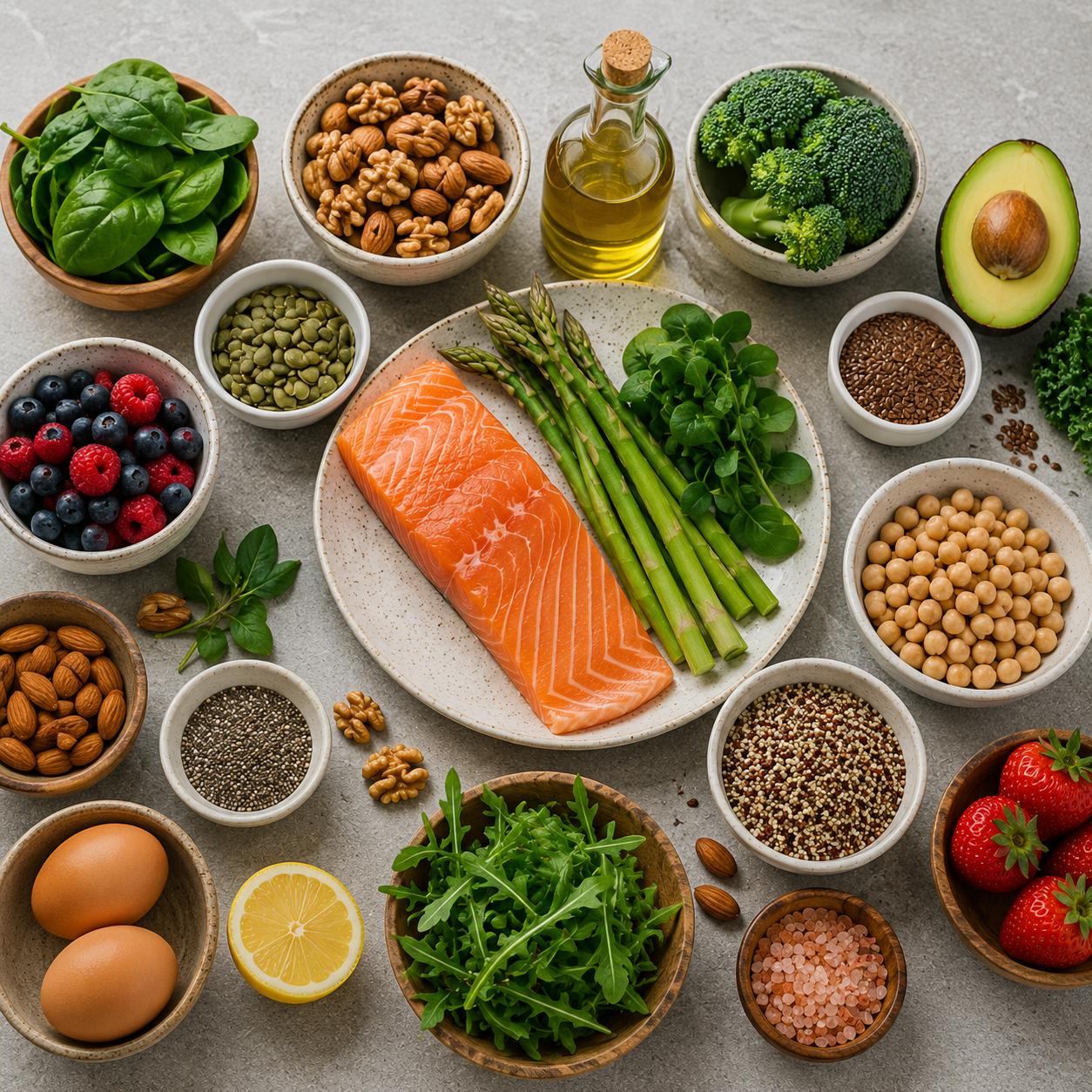
Healthy Fats and Their Role in Hormone Production
Healthy fats are essential for hormone synthesis. They support cell membranes and hormone signalling pathways.
- Avocados
- Olive oil
- Nuts and seeds
- Fatty fish
Protein Intake and Blood Sugar Stability
Protein helps regulate blood sugar and supports hormone transport. Stable blood sugar reduces cortisol spikes and insulin imbalance. Including protein at each meal supports sustained energy and hormonal stability throughout the day.
Vitamins and Minerals Recommended by a Women’s Hormone Practitioner
Micronutrients support enzymatic processes involved in hormone regulation.
- Magnesium
- Zinc
- Vitamin B complex
- Vitamin D
These nutrients assist adrenal health, thyroid function, and reproductive hormone balance.
Best Foods for Supporting Women’s Hormonal Health
Whole foods provide nutrients that work synergistically to support hormonal systems. Variety and balance are key.
Plant-Based Foods That Aid Estrogen Balance
Certain plant compounds support estrogen metabolism and elimination.
- Cruciferous vegetables
- Flaxseeds
- Legumes
- Leafy greens
These foods assist liver detox pathways and support hormonal equilibrium.
Anti-Inflammatory Foods for Hormone Regulation
Chronic inflammation can disrupt hormone signalling. Anti-inflammatory foods support balance and cellular health.
- Berries
- Turmeric
- Ginger
- Green tea
Reducing inflammation helps hormones communicate more effectively.
Gut-Friendly Foods and Their Hormonal Benefits
Gut health influences hormone metabolism and elimination. A healthy microbiome supports estrogen balance.
- Yogurt with live cultures
- Fermented vegetables
- Whole grains
- Fibre-rich fruits
Digestive health and hormonal balance are closely connected.
Foods That May Disrupt Hormonal Balance
Certain dietary patterns can contribute to imbalance when consumed frequently. Awareness supports better choices.
Processed Foods and Hormone Disruption
Highly processed foods often contain additives and refined oils that increase inflammation. These foods may strain detox pathways and interfere with hormone regulation over time.
Excess Sugar and Insulin Imbalance
High sugar intake can cause insulin spikes. Insulin imbalance affects other hormones, including cortisol and estrogen. Limiting added sugars supports metabolic and hormonal stability.
Caffeine and Alcohol Effects on Female Hormones
Excessive caffeine and alcohol can affect adrenal function and liver detoxification. Moderation supports balanced hormone metabolism and reduces unnecessary stress on endocrine systems.

Dietary Habits That Promote Long-Term Hormonal Health
Beyond food choices, eating habits influence hormonal balance. Consistency and awareness support sustainable health outcomes.
Importance of Meal Timing and Consistency
Regular meals help stabilise blood sugar and reduce stress hormone release. Skipping meals may increase cortisol levels, affecting reproductive and metabolic hormones.
Hydration and Hormonal Communication
Water supports nutrient transport and hormone signalling. Proper hydration assists detoxification and cellular communication, contributing to hormonal equilibrium.
Mindful Eating and Stress Reduction
Stress influences hormone production. Mindful eating practices reduce cortisol levels and improve digestion. Creating calm eating environments supports both gut and hormonal health.
When to Seek Guidance from a Women’s Health and Hormone Practitioner
Nutrition is powerful, but professional guidance is sometimes necessary for persistent concerns.
Persistent Symptoms That Nutrition Alone Cannot Resolve
Ongoing fatigue, irregular cycles, or mood changes may require deeper assessment. A women’s hormone practitioner can evaluate hormonal patterns and underlying causes.
How Women’s Health Practitioners Use Nutrition in Hormonal Care
Practitioners often integrate nutrition with clinical insights. Personalised dietary guidance supports treatment plans and improves long-term outcomes.
Integrating Medical Advice with Dietary Changes
Combining professional care with informed nutrition choices creates a holistic approach. This integration supports sustainable hormonal health and overall wellbeing.
Health Hunter Women’s Health Hub
Health Hunter provides a dedicated women’s health hub designed to support informed decision-making. The platform offers resources covering perimenopause, menopause, sexual health, and hormone-related concerns. Insights are shared by experienced practitioners, helping women navigate complex health topics with clarity.
Health Hunter is committed to delivering knowledge that goes beyond conventional perspectives, empowering women through evidence-based information.
Frequently Asked Questions (FAQs)
1. Can diet alone balance female hormones naturally?
Diet can significantly support hormonal balance by providing essential nutrients. However, underlying conditions or chronic stress may require additional lifestyle or medical support.
2. How long does it take for nutrition to improve hormonal health?
Improvements vary, but many women notice changes within several weeks. Consistency in dietary habits is key to supporting long-term hormonal balance.
3. Are supplements necessary for hormonal balance?
Supplements may help address deficiencies, but whole foods remain the primary source of nutrients. A women’s hormone practitioner can guide appropriate use.
4. What foods help reduce hormonal bloating?
Fibre-rich vegetables, adequate protein, and anti-inflammatory foods support digestion and fluid balance, helping reduce bloating linked to hormonal changes.
5. How does gut health affect women’s hormones?
Gut bacteria influence hormone metabolism and elimination. Supporting digestive health helps maintain balanced estrogen levels and overall hormonal stability.
References
- Jean Hailes for Women's Health. Menopause. https://www.jeanhailes.org.au/health-topics/menopause/
- Australian Government Department of Health. Perimenopause. https://www.health.gov.au/perimenopause/perimenopause
- National Health and Medical Research Council. Nutrient Reference Values for Australia and New Zealand. https://www.nhmrc.gov.au/about-us/publications/nutrient-reference-values-australia-and-new-zealand-including-recommended-dietary-intakes