More than 1 in 3 adults aren’t getting enough sleep, and it is not just a “tired” problem. Short sleep is strongly linked with cardio metabolic disease risk, mood disorders, pain sensitivity, and reduced immune function. The American Academy of SleepMedicine recommends 7 or more hours per night for adults, yet modern life keeps pushing sleep lower on the priority list (AASM, 2015). In 2026, this matters more than ever because stress loads, screen exposure, shift work, and always-on habits are rising and wearable data is revealing just how fragmented our nights have become.
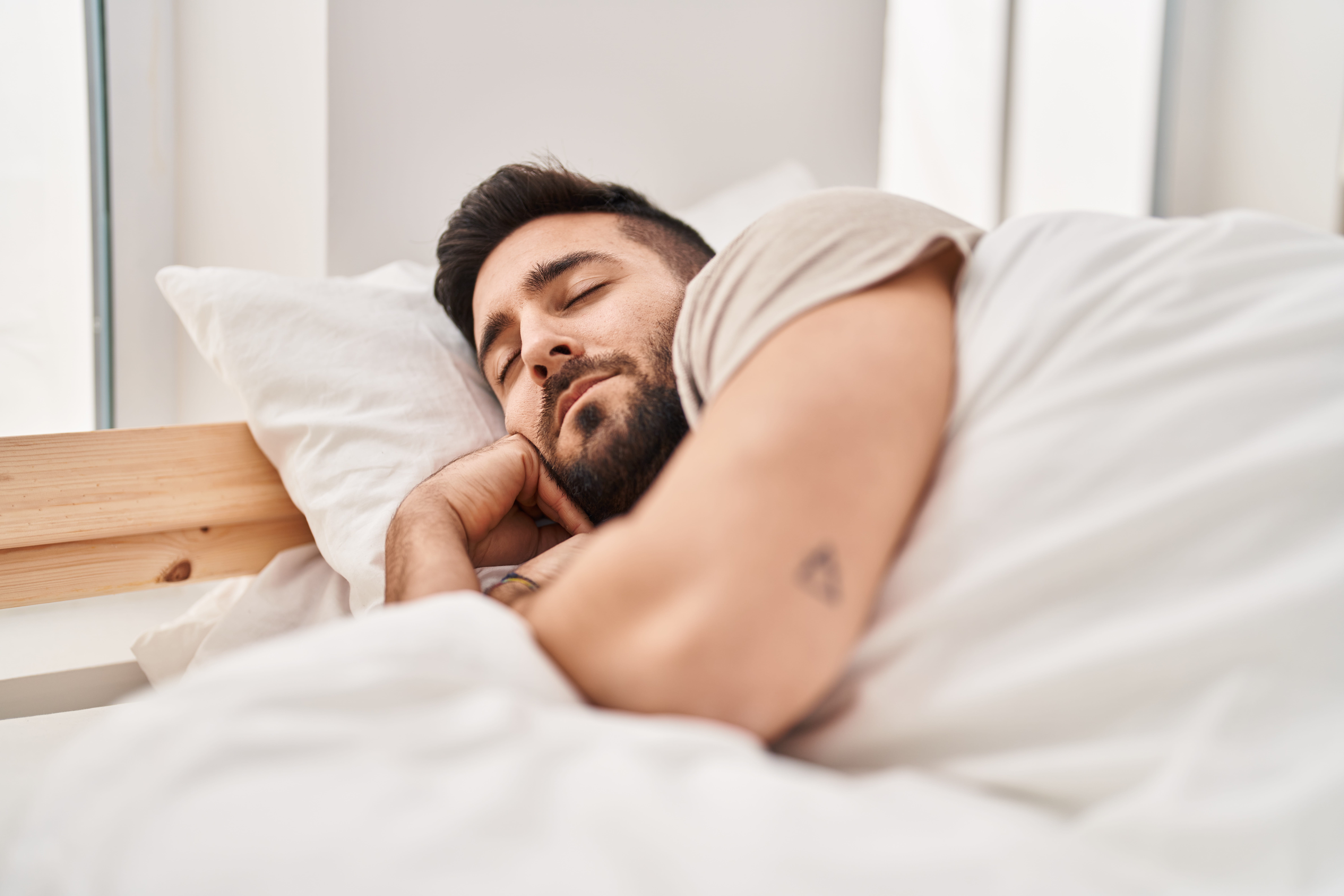
Sleep is a table top where all other pillars of lifestyle medicine sit, that’s what I say to my patients. If you have not sleeping well then all the other parts of healthy living are much harder to maintain. You probably know how circadian rhythm health affects everything from blood sugar to cravings, and what practical fatigue recovery strategies actually work. If you want a clearer plan, explore resources on HealthHunter to help you find the right clinician or coach for sleep optimisation and whole-person care.
Why sleep is “upstream” of every lifestyle medicine lever
In lifestyle medicine, we talk about food, movement, stress, substances, and connection. Sleep is the quiet but probably the most important force that makes those pillars easier or harder to execute. When sleep is short or fragmented, appetite hormones shift, impulse control drops, pain feels louder, and training recovery slows. That is why many people feel stuck doing “all the right things” but not seeing results.
Sleep changes the way your brain chooses
After poor sleep, the brain tends to prioritise quick rewards and high-calorie foods while lowering patience for meal prep, exercise, and hard conversations. That is not a character flaw. It is neurobiology. In real-world terms, a late night often turns into a skipped workout, more caffeine, and cravings by mid-afternoon. You can also notice significant mood fluctuations if you collected “sleep debt”.
Clinical benchmark to know: most adults do best with 7 to 9 hours, but consistency and sleep continuity (fewer awakenings) are often just as important as total time (AASM,2015).
What the data says: sleep, chronic disease, and quality of life
Sleep research has moved from “nice to have” to “must address.” It is now routine to see sleep integrated into cardio metabolic prevention programs, women’s health care pathways, and mental health treatment plans. Here area few evidence-based signals that sleep is still underestimated in everyday care.
Why this matters for 2026: The trend is toward earlier intervention. More clinics now screen for insomnia, sleep apnoea risk, and circadian misalignment during preventive visits, especially for patients with fatigue, weight gain, anxiety, long COVID symptoms, or treatment-resistant depression.

Circadian rhythm health: the missing layer in fatigue and hormone complaints
Most people think “sleep” means bedtime. Clinically, it is bigger than that. Circadian rhythm health is the 24-hour timing system that influences sleep-wake cycles, appetite, body temperature, cortisol rhythms, and even medication effectiveness. You can sleep “enough” and still feel awful if your timing is misaligned. Quantity and quality of sleep are the most important aspects of sleep.
Light and timing are the big levers
In practical terms, morning outdoor light and consistent wake time are often more powerful than supplements for circadian alignment. Evening light, especially bright overhead lighting and late-night scrolling, can delay melatonin onset and push sleep later.
Actionable target: Get 10 to 20 minutes of outdoor light within an hour of waking on most days, then dim lights and reduce screen brightness (less than 50 LUX and yellow warm light) in the 60 to 90 minutes before bed. If you live in darker climates or work early shifts, a clinician may suggest a structured bright-light protocol.
Sleep optimisation in practice: a simple, evidence-based playbook
Sleep optimisation is not about perfection. It is about reducing friction in the systems that control alertness and sleep pressure. If you are searching for a sleep optimisation doctor, look for someone who screens for insomnia, circadian rhythm disorders, iron deficiency, thyroid dysfunction, medication effects, and sleep apnoea risk, not just someone who tells you to “go to bed earlier.”
When to escalate beyond basic sleep hygiene
If you lie awake for more than 30 minutes most nights, rely on alcohol to fall asleep, or feel sleepy while driving, basic tips are not enough. That is where CBT-I and medical screening can change outcomes quickly. For example, untreated sleep apnoea can make weight loss, blood pressure control, and mood improvement significantly harder.
Insomnia natural treatment Australia: what actually works (and what to be careful with)
Searches for insomnia natural treatment Australia keep rising as people look for non-drug options that still feel medical and structured. The most evidence-based “natural” treatment for chronic insomnia is still CBT-I, delivered by a trained clinician or via validated digital programs. It is behavioural and cognitive, but it changes physiology by reducing hyper arousal and rebuilding sleep drive.
Evidence-based options to discuss with your clinician
Magnesium and melatonin are popular, but they are not universally appropriate. Melatonin can help with circadian timing for some people, but it is not a cure for insomnia caused by stress, pain, or sleep apnoea. If you are pregnant, breastfeeding, managing autoimmune disease, taking antidepressants, or on blood pressure medications, talk with a clinician before adding supplements.
Fatigue recovery strategies that go beyond “sleep more”
Fatigue is one of the most common complaints in primary care and women’s health clinics, and it is rarely just one thing. In lifestyle medicine, the goal is to separate sleepiness (need for sleep) from fatigue (low energy that may not improve with rest). Your strategy depends on which one you have.
Common mistakes to avoid (what keeps people stuck)
Most sleep problems are maintained by a handful of predictable patterns. Fixing them is often the fastest path to progress, especially if you have tried “sleep hygiene” lists without results.
What’s changing in 2026: trends reshaping sleep care
Sleep care is evolving fast in 2026, and patients are benefiting from more accessible tools and clearer clinical pathways. The biggest shift is that sleep is being treated as a measurable risk factor, not just a symptom.
Best practice in 2026: Treat sleep like a vital sign. Track it, screen for red flags, and use structured interventions instead of relying on willpower.
HealthHunter: a simple next step if you want expert support
If you are ready to treat sleep as a core part of lifestyle medicine, Health Hunter can help you find preventative care providers like functional doctors, integrative doctors, lifestyle medicine practitioners, and health practitioners who understand sleep optimisation in context. The goal is not a one-size-fits-all protocol. It is a plan that matches your symptoms, your schedule, and your health history so you can make changes that actually stick.
Conclusion: make sleep your highest ROI health habit
Sleep is still the most underrated pillar in lifestyle medicine because it is invisible when it is working and disruptive when it is not. In 2026, the smartest approach is to treat sleep like a core clinical metric, not a wellness afterthought.
Next step: choose one change you can keep for7 days, ideally a fixed wake time plus morning light. If you want support that fits your health history and lifestyle, use Health Hunter to find a clinician or coach who can guide sleep optimisation as part of a whole-person lifestyle medicine plan.
Frequently asked questions (FAQs)
What does lifestyle medicine have to do with sleep?
Sleep influences appetite regulation, stress tolerance, pain sensitivity, and exercise recovery, which are foundational to lifestyle change. In lifestyle medicine, sleep is treated as a root-cause lever that can make nutrition and movement plans easier to follow consistently.
How many hours of sleep do I really need as an adult?
Most adults do best with 7 or more hours per night, with many thriving in the 7 to 9 hour range (AASM, 2015). Quality and consistency matter too, so frequent awakenings can still leave you unrefreshed even if your total looks “good.” Make sure you try to go to bed and get up at the same time or with no more than 30 minutes difference.
When should I see a sleep optimisation doctor instead of trying tips at home?
If insomnia lasts longer than 3 months, if you are sleepy while driving, or if you snore loudly with choking or gasping, get assessed. A clinician can screen for sleep apnoea and other sleep disorders, iron deficiency, medication contributors, thyroid issues, and circadian rhythm disorders.
What is the best insomnia natural treatment in Australia?
The most evidence-based non-drug treatment for chronic insomnia is CBT-I, which is recommended as first-line in major guidelines (ACP, 2016). In Australia, many patients access it via psychologists trained in CBT-I, sleep clinics, or validated digital programs when in-person care is limited. There are multiple online CBT-I programs available that your GP can prescribe and certainly you can discuss this with your LM practitioner.
Can melatonin fix my insomnia?
Melatonin is more effective for circadian timing issues than for insomnia driven by stress or conditioned wakefulness. It may help shift sleep timing for some people, but ongoing insomnia usually responds better to CBT-I and addressing light, timing, and arousal.
Why do I wake up at 3 a.m. every night?
Common drivers include stress-related hyper arousal, alcohol rebound, temperature changes, and an overly long time in bed that weakens sleep drive. If it is persistent or paired with mood symptoms, consider CBT-I and a clinical review.
How does circadian rhythm health affect hormones and cravings?
Circadian timing influences cortisol rhythms, appetite signals, and the timing of hunger and sleepiness. When your schedule is misaligned, cravings and energy dips often increase, especially later in the day.
What fatigue recovery strategies work when I can’t change my schedule (shift work or caregiving)?
Focus on a protected sleep window, light management (bright light when you need alertness, darkness when you need sleep), and strategic naps when safe. A clinician can help tailor a plan so you reduce circadian strain without unrealistic routines.
Are sleep trackers accurate enough to rely on?
Wearables can be helpful for spotting trends like short sleep and frequent awakenings, but they are not diagnostic for conditions like sleep apnoea. If the data is making you anxious, use it less and focus on daytime outcomes like energy, mood, and functioning.
Should I prioritise sleep over exercise if I’m trying to improve my health?
If you are consistently under 6 to 7 hours, wake up multiple times through the night, wake up between 1 and 3am without being able to fall asleep within 30minutes window and feeling run down, improving sleep often increases the payoff from exercise by improving recovery and consistency. Many people do best by protecting sleep first while keeping movement gentle and regular.
If you're ready to treat sleep as a core part of your health rather than an afterthought, Dr Anastasiia Nikitina brings a holistic, lifestyle medicine approach to exactly this kind of whole-person care, alongside her special interests in women's health, weight management and gut health, all areas closely tied to how well you sleep. More detail on her approach is available on her Health Hunter profile, where you can book a consultation to build a sleep and lifestyle plan suited to your own health history.
References
- Watson NF et al. Recommended Amount of Sleep for a Healthy Adult: A Joint Consensus Statement of the AASM and Sleep Research Society. Sleep, 2015. https://pmc.ncbi.nlm.nih.gov/articles/PMC4434546/
- Adams RJ et al. Sleep health of Australian adults in 2016: results of the 2016 Sleep Health Foundation national survey. Sleep Health, 2017. https://pubmed.ncbi.nlm.nih.gov/28346149/
- American Heart Association. Multidimensional Sleep Health: Definitions and Implications for Cardiometabolic Health - A Scientific Statement. Circ Cardiovasc Qual Outcomes. https://www.ahajournals.org/doi/10.1161/HCQ.0000000000000139
- Spiegel K et al. Sleep Curtailment in Healthy Young Men Is Associated with Decreased Leptin Levels, Elevated Ghrelin Levels, and Increased Hunger and Appetite. Ann Intern Med, 2004. https://pubmed.ncbi.nlm.nih.gov/15583226/