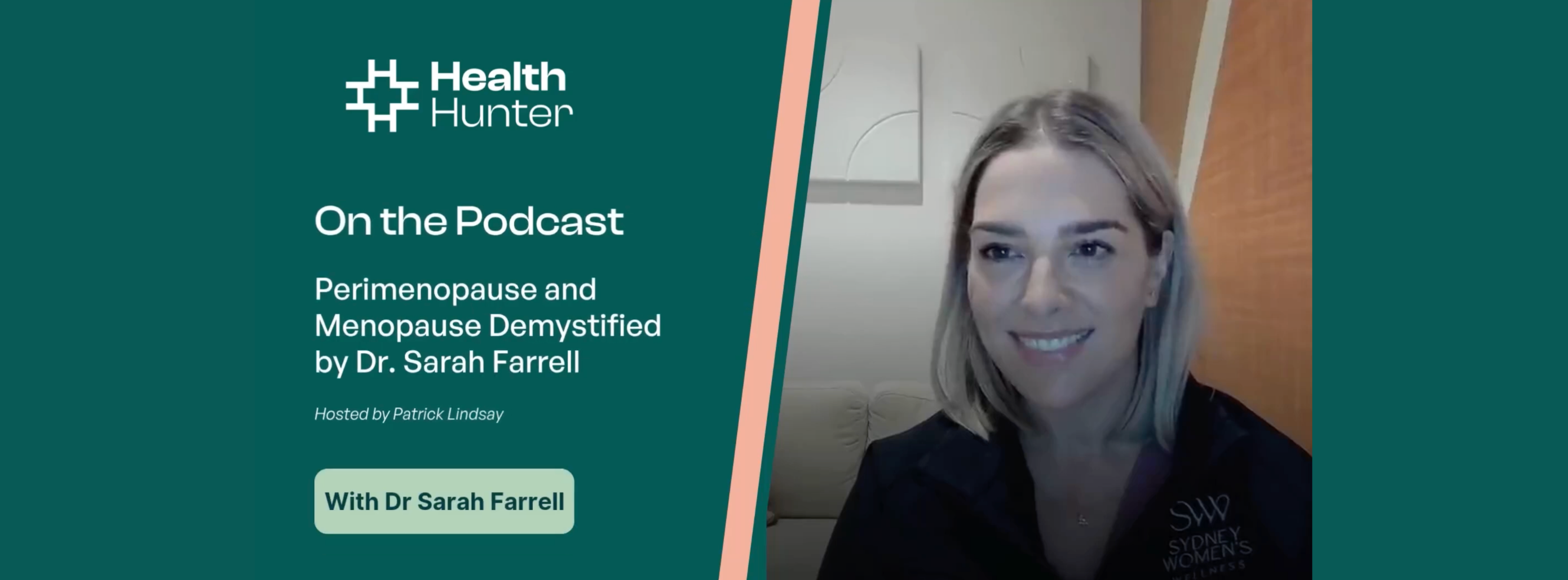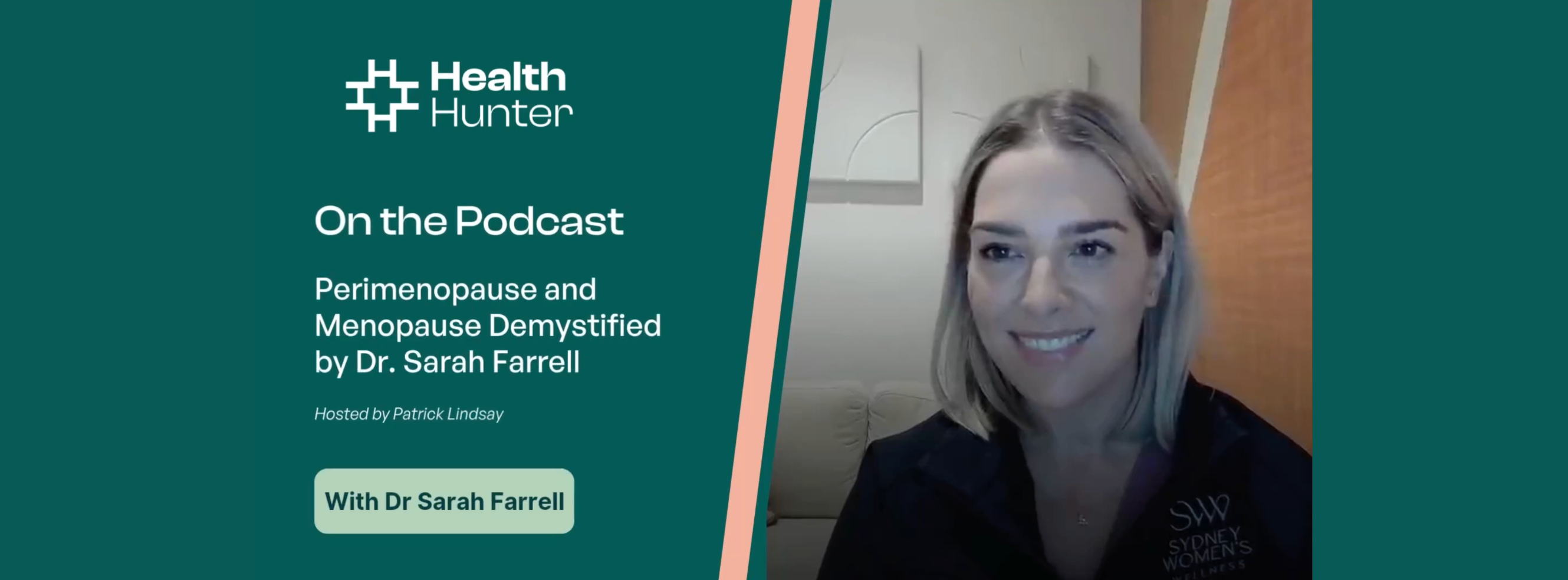
Many women approaching their 40s start noticing subtle changes in their menstrual cycle, mood, sleep patterns, and energy levels. These changes often signal perimenopause, the transitional stage leading up to menopause. Understanding what is perimenopause and how to manage it is crucial for maintaining wellness, preventing discomfort, and supporting long-term health.
Perimenopause is characterized by fluctuating levels of estrogen and progesterone. These hormone shifts can last several years and may include symptoms such as irregular periods, hot flushes, night sweats, fatigue, and emotional changes. Menopause, on the other hand, is confirmed after 12 consecutive months without menstruation, marking the end of a woman’s reproductive years.
While perimenopause and menopause are natural life stages, their symptoms can disrupt daily life. Women seeking relief often turn to holistic, evidence-based strategies combining lifestyle changes, natural remedies, and professional guidance to support hormonal balance.
Recognizing Hormonal Changes During Perimenopause
Hormones regulate numerous bodily functions, including metabolism, mood, and reproductive cycles. During perimenopause, the body experiences irregular fluctuations in estrogen and progesterone, leading to varied physical and emotional symptoms.
Women may notice irregular or heavier periods, increased fatigue, mood swings, anxiety, or irritability. Sleep disturbances and changes in skin or hair are also common. Tracking symptoms and cycles is helpful in understanding personal patterns and managing these changes proactively.
Understanding these hormonal shifts empowers women to make lifestyle choices that support balance and well-being. Recognizing early symptoms allows for interventions that reduce discomfort and enhance quality of life during the transition.
Nutrition Strategies for Hormonal Balance
A balanced diet is one of the most effective ways to support the body during perimenopause and menopause. Nutrients play a critical role in regulating hormones, supporting bone density, and maintaining cardiovascular health.
Phytoestrogen-rich foods, such as soy, flaxseeds, and legumes, gently mimic estrogen in the body, helping to reduce hot flushes flushes and hormonal fluctuations. Calcium and vitamin D are essential for maintaining bone health, while magnesium supports mood stability and reduces fatigue. Omega-3 fatty acids from fish, chia seeds, or walnuts help reduce inflammation and support cardiovascular and brain health.
Herbal remedies like black cohosh, red clover, or evening primrose oil may alleviate symptoms such as hot flushes or mood swings. However, it is important to consult a healthcare professional before using supplements or herbs to ensure safety and avoid interactions with other medications.
Key dietary considerations include:
- Prioritizing whole, nutrient-dense foods over processed options.
- Including phytoestrogen-rich foods to support hormone balance.
- Ensuring sufficient intake of calcium, vitamin D, and magnesium.
Focusing on nutrition not only helps manage symptoms but also reduces long-term risks associated with menopause, such as osteoporosis and heart disease.
Exercise and Mind-Body Practices
Regular physical activity is crucial for overall health and for managing symptoms of perimenopause and menopause. Exercise helps regulate hormones, maintain bone density, improve mood, and support cardiovascular health.
Cardiovascular activities such as brisk walking, swimming, or cycling enhance heart health and improve circulation. Strength training maintains muscle mass, protects joints, and supports bone strength. Mind-body practices like yoga, tai chi, and meditation are effective in reducing stress, improving sleep, and balancing hormones naturally.
Recommended approaches for women in perimenopause include:
- Cardiovascular exercise 3–5 times per week.
- Strength training 2–3 times per week to maintain muscle and bone health.
- Mind-body practices to manage stress, anxiety, and sleep disturbances.
Combining these practices with a nutrient-rich diet enhances symptom management and supports overall wellness during the menopausal transition.
Managing Hot Flushes and Night Sweats Naturally
Hot flushes and night sweats are among the most common and disruptive symptoms of perimenopause. These sudden feelings of heat, often accompanied by sweating and rapid heartbeat, can interfere with daily activities and sleep.
Natural strategies can help reduce their frequency and intensity. Staying hydrated and dressing in layers allow women to adapt quickly when symptoms appear. Consuming phytoestrogen-rich foods can help balance estrogen levels, while relaxation techniques, deep breathing, or meditation reduce stress, which can trigger hot flushes.
Additional approaches include:
- Avoiding triggers such as spicy foods, alcohol, and caffeine.
- Using fans or cooling devices at night to improve comfort.
- Practicing regular relaxation techniques to decrease stress-related episodes.
With consistent lifestyle adjustments, women can manage hot flushes flusheseffectively without relying solely on hormone replacement therapy.
Sleep and Stress Management
Sleep disruption is a common challenge during perimenopause due to hormonal fluctuations. Hot flushes, night sweats, and anxiety can make it difficult to fall or stay asleep, leading to fatigue and irritability.
Creating a consistent bedtime routine is critical. Limiting caffeine and alcohol intake in the evening, maintaining a cool sleeping environment, and using relaxation techniques like deep breathing or guided meditation can improve sleep quality. Journaling or mindful reflection before bed may also help reduce anxiety and racing thoughts.
Chronic stress further disrupts hormonal balance. Engaging in regular physical activity, maintaining social connections, and practicing stress reduction techniques are effective strategies to support both mental and physical well-being.
Professional Support from Women’s Health Clinics
While lifestyle and natural remedies are effective, professional guidance ensures safety and personalization. Women’s health clinics provide comprehensive support, including:
- Hormone level testing to identify imbalances and guide treatment options.
- Personalized nutrition and supplement recommendations tailored to symptoms.
- Referrals for counseling or therapy to address mood changes, anxiety, or sleep disturbances.
Regular consultations with healthcare providers help prevent complications such as bone density loss, cardiovascular issues, or metabolic imbalances. Clinics also educate women on evidence-based practices for managing perimenopause naturally, empowering them to make informed decisions.
Lifestyle Adjustments to Support Hormonal Health
Beyond diet and exercise, daily habits significantly influence hormonal balance. Hydration is essential for metabolism and energy levels. Reducing processed foods, sugar, and alcohol helps minimize inflammation and supports overall health. Maintaining social connections and engaging in meaningful activities strengthens emotional well-being.
Even small, consistent adjustments can improve resilience during perimenopause and menopause. Prioritizing self-care, listening to your body, and seeking professional guidance when needed fosters a smoother transition and enhances quality of life.
Benefits of a Holistic, Natural Approach
A natural, holistic approach offers multiple benefits:
- Reduced intensity of hot flushes, mood swings, and sleep disturbances.
- Improved energy, bone, and cardiovascular health.
- Empowerment through knowledge and proactive management of symptoms.
Combining lifestyle adjustments, nutrition, exercise, and professional support allows women to navigate perimenopause with confidence and comfort. Embracing a science-backed, personalized approach ensures both immediate relief and long-term well-being. Learn more about holistic wellness at Health Hunter.
Frequently Asked Questions (FAQs)
1. What is perimenopause?
Perimenopause is the transitional phase before menopause, involving fluctuating estrogen and progesterone, causing irregular periods, mood changes, and sleep disturbances.
2. How can I manage hot flushes naturally?
Stay hydrated, eat phytoestrogen-rich foods, practice relaxation techniques, avoid triggers like spicy foods or alcohol, and use cooling strategies at night.
3. When does menopause officially begin?
Menopause is diagnosed after 12 consecutive months without menstruation, marking the end of a woman’s reproductive years.
4. Are herbal remedies safe for menopause?
Herbal remedies like black cohosh or red clover may help, but always consult a healthcare provider to ensure safety and avoid interactions.
5. How can a women’s health clinic help?
Clinics provide hormone testing, personalized nutrition and lifestyle guidance, symptom management strategies, and support for emotional and physical well-being during menopause.
Disclaimer: The information provided in this blog article is for educational and informational purposes only and does not constitute medical advice and reliance on this information is at your own risk. It is not intended to be a substitute for professional medical advice, diagnosis, or treatment. Always consult personally with a qualified healthcare professional for any health concerns or before making any medical decisions. The author of this article is not liable for any decisions or actions taken based on the information provided and is not liable for any damages, injuries, or losses that may result from relying on the information provided on this blog.