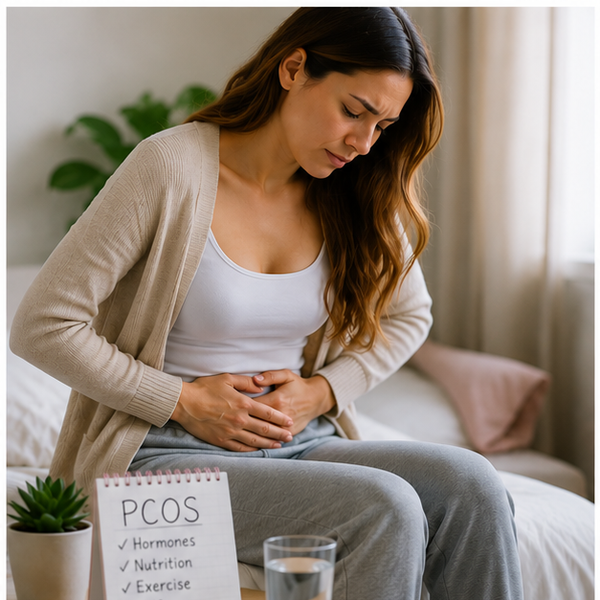
Polycystic Ovary Syndrome, now known as Polyendocrine Metabolic Ovarian Syndrome (PMOS), is a complex hormonal condition that affects many women at different life stages. Understanding PMOS can feel overwhelming, especially when symptoms vary widely. Access to clear, reliable information is essential.
Why the name changed: In May 2026, a global consensus process involving more than 56 patient and professional organisations, including the Endocrine Society and Monash University, officially renamed PCOS to PMOS. The change followed more than a decade of research and over 22,000 patient and clinician survey responses, and was driven by concerns that the old name was misleading. The condition doesn't actually involve pathological ovarian cysts, and the "cystic" framing meant the metabolic and hormonal dimensions of the condition, which affect weight, mental health, skin and long-term health, were often overlooked or missed entirely in diagnosis and care. Both PCOS and PMOS will be used interchangeably during a three-year transition period, so you may still see the older term in some places for now.
Health Hunter connects people with preventative healthcare providers and services, helping women better understand hormonal health and informed care options.
Understanding PMOS and Women's Hormonal Health
PMOS is one of the most common hormone-related conditions affecting women of reproductive age, affecting around 13 per cent of non-Indigenous women and around 21 per cent of Aboriginal and Torres Strait Islander women of reproductive age in Australia. It involves disruptions in how hormones interact, often influencing metabolism, fertility, and overall wellbeing. Learning the basics helps women recognise symptoms and understand why specific guidance matters.
What Is Polyendocrine Metabolic Ovarian Syndrome
PMOS is a hormonal disorder characterised by irregular ovulation, elevated androgen levels, and changes in ovarian function. Despite what the previous name suggested, not all women with the condition have ovarian cysts, and research has found no actual increase in abnormal ovarian cysts associated with it. The condition affects multiple systems within the body.
How PMOS Affects Hormones in Women
PMOS alters the balance between reproductive hormones and metabolic hormones like insulin. Elevated androgens can disrupt ovulation, while insulin resistance affects between 44 and 85 per cent of women with PMOS and may worsen hormonal imbalance. These interactions explain why PMOS presents with both reproductive and metabolic symptoms.
Why PMOS Requires Personalised Hormonal Care
No two women experience PMOS the same way. Women's health and hormone practitioners recognise individual hormone patterns and symptom profiles. Personalised care helps address root causes rather than focusing on isolated symptoms.
Common Symptoms and Health Challenges of PMOS
PMOS symptoms range from mild to severe and may change over time. Understanding common challenges helps women identify patterns and seek appropriate support early.
Menstrual Irregularities and Ovulation Issues
Irregular or absent periods are common in PMOS. Hormonal imbalance interferes with ovulation, making cycles unpredictable. These changes can affect fertility and may signal broader endocrine disruptions.
Metabolic and Weight-Related Concerns
Many women with PMOS experience insulin resistance, which can contribute to weight changes and energy fluctuations. These metabolic challenges are hormonal in origin and often require targeted lifestyle and nutritional strategies.
Emotional and Mental Health Effects of PMOS
PMOS can impact emotional wellbeing due to hormonal fluctuations and ongoing symptoms. Anxiety, low mood, and reduced self-confidence are reported by many women and deserve equal attention in care approaches.
Causes and Risk Factors Linked to PMOS
The exact cause of PMOS is not fully understood, but research points to a combination of genetic, hormonal, and lifestyle influences. Understanding risk factors helps guide long-term management.
Role of Insulin Resistance in PMOS
Insulin resistance plays a central role in many PMOS cases. Elevated insulin levels can stimulate excess androgen production, worsening symptoms. Addressing insulin sensitivity is often a key focus in PMOS care.
Genetic and Lifestyle Influences
PMOS tends to run in families, suggesting a genetic component. Lifestyle factors such as stress, physical inactivity, and dietary patterns may influence symptom severity and hormonal expression.
Hormonal Imbalances Identified by Women's Health and Hormone Practitioner
Women's health and hormone practitioners assess levels of estrogen, progesterone, androgens, and insulin. Identifying these imbalances allows for a clearer understanding of how PMOS is affecting the body.
How PMOS Is Diagnosed
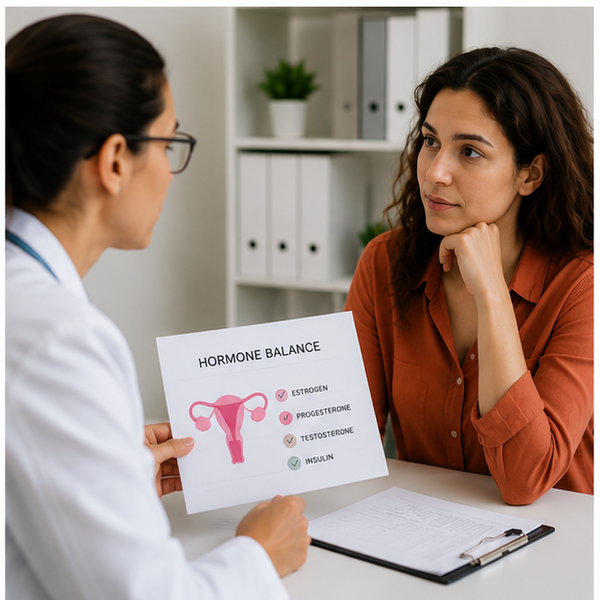
Diagnosis involves evaluating symptoms, hormone levels, and ovarian function. Early and accurate diagnosis supports better long-term outcomes.
Clinical Symptoms and Medical History Review
Diagnosis begins with a detailed review of menstrual history, symptom patterns, and family history. This step helps identify whether symptoms align with recognised PMOS criteria.
Hormone Testing and Blood Markers
Blood tests measure androgen levels, insulin markers, and other hormones. These results provide insight into endocrine function and help rule out other hormonal conditions.
Imaging and Diagnostic Criteria for PMOS
Ultrasound imaging may be used to assess ovarian appearance. Diagnosis typically relies on meeting at least two of three clinical criteria rather than a single test result.
Role of Women's Health and Hormone Practitioner in PMOS Care

Managing PMOS often requires specialised hormonal knowledge. A women's health and hormone practitioner brings a comprehensive understanding of endocrine health and its broader impacts.
Understanding Individual Hormone Profiles
Practitioners analyse how hormones interact within the body. This personalised approach helps explain symptoms and guides tailored lifestyle and clinical recommendations.
Integrating Nutrition and Lifestyle Support
Hormonal care often includes guidance on nutrition, physical activity, and stress management. These factors influence insulin sensitivity and hormone regulation over time.
Monitoring Hormonal Changes Over Time
PMOS is a long-term condition that may evolve. Regular monitoring helps track hormonal shifts and adjust management strategies as needed.
Lifestyle Approaches That Support PMOS Management
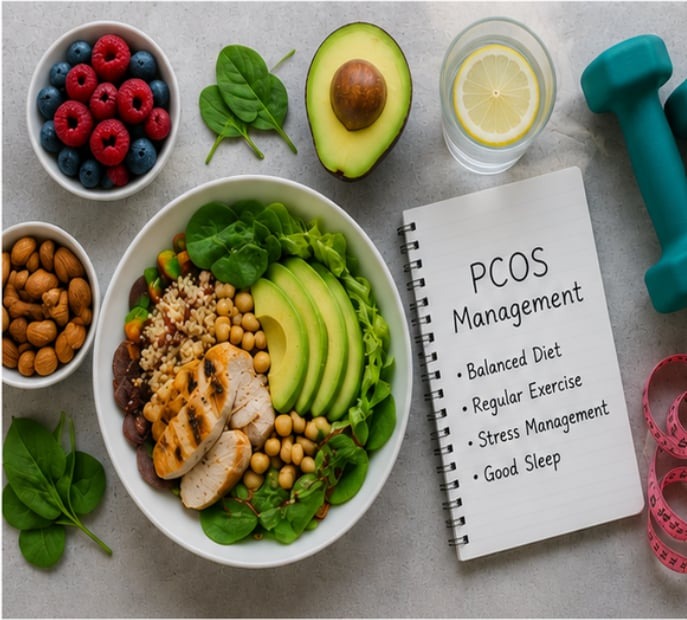
Lifestyle strategies play an important role in supporting hormonal stability. Consistent habits can positively influence symptoms and overall health.
Nutrition Strategies for Hormonal Stability
Balanced meals support blood sugar control and hormone regulation.
- Whole grains
- Lean proteins
- Healthy fats
- Fibre-rich vegetables
These foods support metabolic and reproductive health.
Physical Activity and Insulin Sensitivity
Regular movement improves insulin sensitivity and supports hormonal balance. Activities that combine strength and gentle cardiovascular exercise are often beneficial for women with PMOS.
Stress Management and Sleep Quality
Chronic stress affects cortisol and reproductive hormones. Adequate sleep and stress reduction techniques help stabilise hormonal communication within the body.
Long-Term Health Considerations for Women With PMOS
PMOS can influence health beyond reproductive years. Awareness of long-term considerations supports proactive care.
Fertility and Reproductive Health
While PMOS can affect ovulation, many women conceive with appropriate support. Understanding hormonal patterns helps guide reproductive planning and care.
Cardiovascular and Metabolic Risks
Women with PMOS may have increased risk of type 2 diabetes and cardiovascular disease over time, regardless of age or BMI. Maintaining hormonal balance supports heart health and long-term metabolic wellbeing.
Importance of Ongoing Hormonal Monitoring
Hormonal needs change with age. Regular check-ins with a women's health and hormone practitioner help adapt care strategies across different life stages.
Frequently Asked Questions (FAQs)
1. Can PMOS be managed without medication?
Some women manage symptoms through lifestyle and nutrition changes. However, individual needs vary, and professional guidance helps determine appropriate options.
2. How do women's health and hormone practitioners diagnose PMOS?
Diagnosis involves reviewing symptoms, hormone tests, and sometimes imaging. Practitioners use established criteria to ensure accurate assessment.
3. Is PMOS a lifelong condition?
PMOS is considered a long-term condition, but symptoms can change over time. Ongoing management supports improved quality of life.
4. Can lifestyle changes improve PMOS symptoms?
Lifestyle adjustments can positively influence insulin sensitivity and hormonal balance, helping reduce symptom severity for many women.
5. How often should hormone levels be checked with PMOS?
Monitoring frequency depends on symptoms and life stage. Women's health and hormone practitioners for women can recommend appropriate intervals for review.
If persistent irregular cycles, unexplained weight changes, or other symptoms have left you wondering whether hormones might be behind it, it’s worth getting a proper assessment rather than guessing. Dr Anna-Klara Sharp brings a personalised, evidence-based approach to women’s hormonal health, including PMOS. More detail on her approach is available on her Health Hunter profile.