What Is Leaky Gut Syndrome? Understanding Intestinal Permeability
Leaky gut syndrome refers to the weakening of the tight junctions in the gut, which normally control what passes through the gastrointestinal tract. When these tight junctions fail, larger particles like undigested food particles, harmful substances, and even harmful bacteria can enter the bloodstream. This process, known as increased intestinal permeability, disrupts your body's balance, leading to a wide range of symptoms and medical conditions. Understanding how the gut works is crucial for maintaining gut health.
The Role of the Gut Lining in Digestive Health
The gut lining serves as a barrier between the contents of your digestive system and the rest of your body. In a healthy gut, the gut lining allows only properly digested nutrients to pass into the bloodstream. However, when the gut becomes "leaky," larger particles escape, which can disrupt your digestive system and lead to inflammation and food sensitivities. Keeping the gut lining strong is key to supporting overall health and preventing further health issues.
How Gut Permeability Affects Overall Health
Gut health impacts more than just digestion. When the gut lining becomes compromised, it can lead to widespread inflammation, triggering conditions like irritable bowel syndrome, celiac disease, and even autoimmune diseases such as rheumatoid arthritis. This is because the immune system reacts aggressively to these invaders, leading to chronic health conditions. By managing intestinal permeability, you can support your overall health and reduce the risk of long-term damage.
12 Common Symptoms of Leaky Gut Syndrome
Leaky gut syndrome can cause a range of symptoms, often affecting more than just your digestive system. These leaky gut symptoms are linked to increased intestinal permeability, which can lead to chronic conditions if left untreated. Here are the most common signs you may be dealing with a leaky gut.
Digestive Issues (Bloating, Gas, Diarrhoea, IBS)
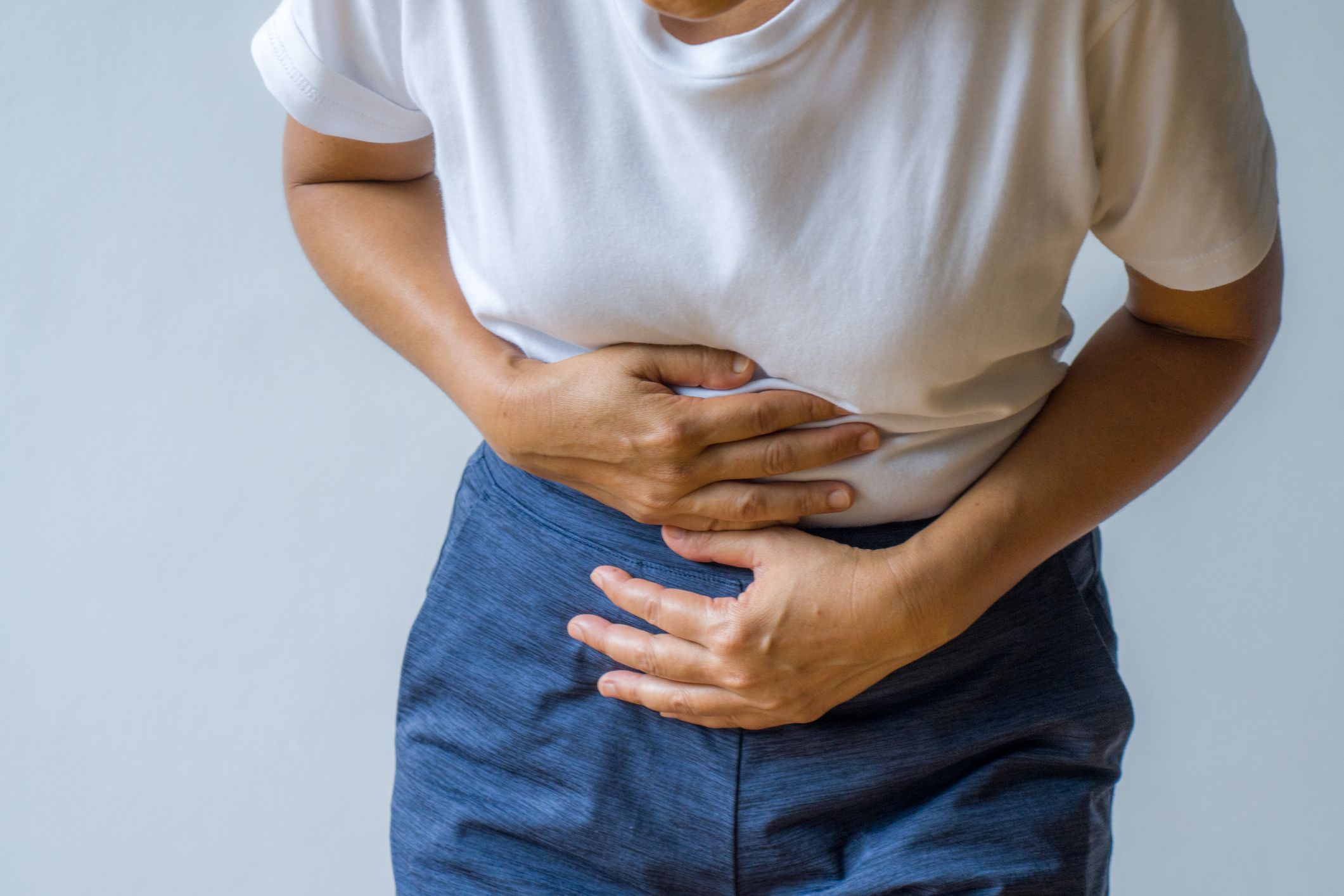
Digestive issues such as bloating, gas, and diarrhoea are some of the most obvious signs of leaky gut. Many people with irritable bowel syndrome (IBS) also experience intestinal permeability, which worsens these symptoms. A compromised gut lining allows undigested food particles to pass into the bloodstream, leading to digestive discomfort.
Skin Problems (Acne, Eczema, Psoriasis)
A compromised gut microbiome can affect your skin, leading to conditions like acne, eczema, and psoriasis. Studies show that gut health is closely linked to skin health, as harmful bacteria and toxins passing through a damaged gut lining can trigger inflammation in the skin. By healing the gut lining, you may see an improvement in your skin conditions.
Food Allergies and Sensitivities
People with leaky gut syndrome often develop food sensitivities or food allergies. This happens because the gut lining is too weak to filter out potential allergens. As undigested food particles escape into the bloodstream, the immune system identifies them as threats, leading to allergic reactions or sensitivities. Avoiding certain foods can help manage symptoms, but healing the gut is crucial for long-term relief.
Autoimmune Conditions
Autoimmune diseases such as celiac disease, lupus, and rheumatoid arthritis are often linked to leaky gut. When the immune system detects foreign invaders in the bloodstream due to a damaged gut lining, it may begin attacking healthy cells in the process, leading to chronic inflammation. Managing gut health is essential to reducing the impact of autoimmune conditions.
Chronic Fatigue and Low Energy
Chronic fatigue is another common symptom of leaky gut syndrome. When inflammation becomes widespread in the body due to intestinal permeability, energy levels can plummet. The body uses a lot of resources to fight off harmful invaders, leaving you feeling tired and drained. Improving gut health can restore your energy levels by reducing this internal inflammation.
Joint Pain and Inflammation
Unexplained joint pain is often linked to leaky gut. As toxins and undigested food particles enter the bloodstream, they trigger an immune response, which can lead to chronic inflammation in the joints. Reducing intestinal permeability is key to relieving joint pain and preventing further inflammatory issues.
Mood Imbalances (Anxiety, Depression, Brain Fog)
The gut-brain axis is an important link between the gut and mental health. When the gut is compromised, it can affect the production of important neurotransmitters like serotonin, leading to symptoms such as anxiety, depression, and brain fog. Balancing the gut microbiome and healing the gut lining can help improve these mood-related symptoms.

Frequent Infections or Illness
A weakened gut lining can lead to a compromised immune system, making you more susceptible to frequent infections, such as colds or flu. The gut plays a crucial role in housing immune cells, so when the gut lining is compromised, the body’s defense against viruses and bacteria weakens. Strengthening the gut can help support the immune response and reduce the likelihood of frequent illnesses.
Seasonal Allergies or Asthma
People with leaky gut syndrome may notice an increase in seasonal allergies or asthma symptoms. This is because the immune system becomes overstimulated as it reacts to foreign particles that have passed through the gut lining. As the body is constantly on high alert, it may trigger allergic responses to pollen, dust, or other allergens. Healing the gut can help calm the immune system and alleviate allergic reactions.
Nutrient Deficiencies
Leaky gut can make it harder for your body to absorb nutrients, leading to deficiencies in vitamins and minerals like vitamin B12, magnesium, and iron. A damaged gut lining prevents proper nutrient absorption, even if you are eating a healthy diet. Over time, this can lead to issues like fatigue, weakened bones, or anaemia. Repairing the gut can help restore the absorption of essential nutrients.
Sugar and Carb Cravings
A damaged gut microbiome can result in sugar cravings or a strong desire for refined carbs. When the gut bacteria are imbalanced, the harmful strains can signal the brain to crave unhealthy foods, which can further damage the gut. Reducing intestinal permeability and improving gut health can help balance cravings and promote better eating habits.

Hormonal Imbalances (PCOS, PMS, Irregular Periods)
Hormonal imbalances such as irregular periods, PMS, or polycystic ovary syndrome (PCOS) can be linked to leaky gut syndrome. Since the gut plays a role in hormone production, a damaged gut lining can disrupt the balance of hormones like oestrogen and progesterone. This can lead to menstrual irregularities and worsen symptoms of conditions like PCOS. Healing the gut can help restore hormonal balance.
The Underlying Causes of Leaky Gut Syndrome
The exact causes of leaky gut syndrome vary, but several factors can contribute to increased intestinal permeability. These include poor lifestyle habits, certain foods, and environmental factors. Addressing these root causes is essential for healing your gut.
Poor Diet and Processed Foods
A diet high in processed foods, sugar, and gluten is one of the leading causes of leaky gut syndrome. These foods irritate the gut lining and promote inflammation, weakening the tight junctions that control intestinal permeability. By switching to a diet plan that focuses on whole, unprocessed foods, you can begin to heal your gut and reduce symptoms.
Stress and Hormonal Imbalances
Chronic stress can directly impact your gut health. When stress levels remain high, the body releases hormones that weaken the gut lining, making it more permeable. This, in turn, leads to leaky gut symptoms. Managing chronic stress through relaxation techniques and exercise can help protect your gut from further damage.
Toxins and Medications
Environmental toxins and certain medications can harm the gut lining. NSAIDs, antibiotics, and even some over-the-counter drugs can increase intestinal permeability. Exposure to toxins like pesticides or heavy metals can also contribute to leaky gut syndrome. It’s important to minimise these factors and focus on supporting the gut microbiome with beneficial gut bacteria.
How Leaky Gut Syndrome Is Diagnosed
Diagnosing leaky gut syndrome can be difficult because its symptoms overlap with many other medical conditions. However, there are ways to test for intestinal permeability and identify potential issues in the gut.
Testing for Intestinal Permeability
There are several tests available to assess the degree of intestinal permeability. These include the zonulin test, which measures levels of zonulin—a protein that regulates the tight junctions in the gut. High levels of zonulin can indicate increased intestinal permeability and suggest that the gut lining has been compromised.
Elimination Diets and Food Sensitivity Testing
Another way to identify leaky gut symptoms is by conducting an elimination diet. This process involves removing certain foods from your diet for a period of time and then gradually reintroducing them. By identifying food sensitivities, you can reduce inflammation in the gut and promote healing.
Conclusion
These 12 common symptoms of leaky gut syndrome can affect your body in various ways, from digestive discomfort to hormonal imbalances and autoimmune conditions. Recognizing the signs early and taking steps to heal your gut lining can help you avoid further health complications. Consult a healthcare professional if you suspect you have a leaky gut, and focus on improving your gut health through diet and lifestyle changes.
Frequently Asked Questions
How do you fix a leaky gut?
To fix leaky gut, focus on healing the gut lining by eating a diet rich in whole foods, avoiding processed foods, and cutting out triggers like gluten, sugar, and alcohol. Adding cultured dairy products like yogurt and kefir, which are high in probiotics, can help restore beneficial gut bacteria. Also, include supplements like L-glutamine, which helps repair the gut lining, and reduce chronic stress through relaxation techniques.
What foods are good for leaky gut?
To heal leaky gut, eat foods that support gut health. These include cultured dairy products like yoghourt, which contain probiotics that boost beneficial gut bacteria. Add sprouted seeds and fibre-rich foods like fruits, vegetables, and whole grains to your diet. Foods high in omega-3s, like fatty fish, are also good because they reduce inflammation and help repair the gut lining.
How do you know if your gut is inflamed?
You can tell your gut is inflamed if you experience chronic symptoms like bloating, gas, diarrhoea, or constipation. Skin issues, such as acne or eczema, and food sensitivities may also indicate inflammation. Joint pain and chronic fatigue are common signs too. If these symptoms persist, you might have leaky gut syndrome, which causes chronic inflammation in the gut.
How do I know if my gut is healthy?
A healthy gut means you digest food well, have regular bowel movements, and don’t often experience bloating or discomfort. Clear skin, balanced energy levels, and no food sensitivities are also good signs. If you eat a variety of foods, including cultured dairy products, without issues and rarely feel sick, your gut is likely in good shape.