
Many women in their 40s and 50s find themselves feeling exhausted, emotionally overwhelmed, forgetful, and unlike themselves. The demands of work, family, relationships and everyday responsibilities make it easy to assume these changes are simply the result of stress or burnout. What many women don't realise is that these experiences may actually be linked to perimenopause.
Perimenopause is the transitional stage leading up to menopause, and it begins years before periods stop completely. Menopause, by definition, is having gone twelve months without a period. During perimenopause, fluctuating hormone levels can create a wide range of physical, emotional and cognitive symptoms that often closely resemble chronic stress, which is why many women spend years struggling without understanding the true cause.
What Perimenopause Actually Is, and Why It's So Often Mistaken For Stress
Perimenopause is a natural biological transition that most commonly begins in a woman's 40s, typically starting around age 47 in Australia and lasting on average four to six years, though it can range from two to ten years. During this phase, oestrogen and progesterone levels fluctuate, creating changes throughout the body.
While many women associate menopause with hot flushes and the end of menstrual cycles, perimenopause symptoms can start long before these more classic signs appear, and some women never experience a hot flush at all while still dealing with a range of other symptoms. Many experience subtle changes for years without realising they've entered this hormonal transition, and the experience varies significantly from person to person. Some notice only mild disruptions, while others see major changes to their energy, mood, sleep and daily functioning.
One of the biggest challenges is that many perimenopause symptoms closely resemble the signs of chronic stress or burnout. When a woman feels exhausted, anxious, irritable or mentally foggy, it's often assumed that work pressure or life demands are to blame. Healthcare providers may also focus on treating individual symptoms rather than recognising the hormonal changes underneath, which can leave women feeling frustrated when lifestyle adjustments alone don't resolve their concerns. Recognising the role hormones play in overall wellbeing is an important step toward finding effective solutions.

The Symptoms Women Often Miss
Mood changes are one of the most common experiences. Many women become more sensitive, irritable, impatient or emotionally reactive than usual, and this is often put down to stress, especially for women balancing careers, caregiving and family commitments. Fluctuating oestrogen levels can directly influence the neurotransmitters that regulate mood, so a woman who has always felt emotionally steady may suddenly find herself experiencing mood swings that feel out of character.
Fatigue is another commonly overlooked symptom. Women often assume they're simply overworked or under-slept, but hormonal fluctuations can affect energy production, sleep quality, metabolism and stress resilience, leaving many women exhausted even after a full night's rest. This kind of fatigue tends to feel persistent and difficult to shift through rest alone, and can interfere with work, exercise, social life and general wellbeing.
Cognitive changes, often described as brain fog, are also commonly reported during perimenopause and usually improve over time. Women may notice they're forgetting appointments, losing track of conversations, or finding it harder to concentrate and multitask, which can be particularly frustrating for those who rely on mental sharpness at work.
Sleep problems are frequently mistaken for stress-related exhaustion too. Many women experience difficulty falling asleep, frequent waking through the night, or waking earlier than usual, sometimes alongside night sweats that disrupt restorative sleep. Poor sleep then feeds into fatigue, irritability, anxiety and reduced concentration, creating a cycle that can leave women feeling increasingly overwhelmed.
Anxiety can be one of the more surprising symptoms. Women who have never struggled with it before may suddenly notice racing thoughts, excessive worry or feelings of panic, even when their life circumstances haven't significantly changed. Because anxiety is so commonly linked to stress, the role hormonal fluctuations play is often missed, even though the emotional impact can affect relationships, confidence and work performance.
Physical Changes That Are Easy To Overlook
Weight and metabolic changes are common as well. Many women notice shifts in body composition despite maintaining the same diet and exercise habits, since hormonal fluctuations can influence metabolism, insulin sensitivity, appetite regulation and fat distribution, often leading to weight gain around the abdomen. This can be discouraging when previous approaches to weight management no longer seem to work in the same way.
Finally, changes to the menstrual cycle are often one of the clearest signs of perimenopause, though they don't always appear first. Periods may become heavier, lighter, shorter, or further apart, and tracking these changes over time can offer useful insight into what's happening hormonally and how it connects to other symptoms.
When To Seek Support, and How Integrative Care Can Help
Many women wait years before seeking professional support, assuming their symptoms are simply part of a busy life. If symptoms are affecting daily life, work performance, relationships, sleep quality or emotional wellbeing, it may be worth consulting a menopause specialist. A comprehensive assessment can help determine whether hormonal changes are contributing to what's going on, and early support often makes it easier to manage symptoms and maintain quality of life throughout the transition.
Every woman's experience of perimenopause is different, which is why personalised care can be particularly valuable. Integrative medicine focuses on understanding the whole person rather than treating isolated symptoms, considering factors such as nutrition, stress, sleep, hormone balance, lifestyle habits and overall health history. Functional medicine takes a similar approach, aiming to identify and address the underlying contributors to symptoms rather than managing them individually. This kind of comprehensive care can be especially useful for women experiencing multiple symptoms that seem unrelated at first glance, helping them build a clearer picture of what's happening and develop strategies that support long-term wellbeing.
Frequently Asked Questions (FAQs)
1. What are the most common perimenopause symptoms?
Common symptoms include irregular periods, fatigue, mood swings, anxiety, brain fog, sleep disturbances, hot flushes and weight changes.
2. At what age does perimenopause usually begin?
Perimenopause can begin any time in a woman's 40s or 50s, though on average it begins in the mid to late 40s.
3. Can perimenopause cause anxiety?
Yes. Hormonal fluctuations can affect the neurotransmitters that regulate mood, which can lead to increased anxiety or feelings of overwhelm.
4. How long does perimenopause last?
Perimenopause lasts four to six years on average, though this varies significantly from person to person.
5. When should I seek help for perimenopause symptoms?
If symptoms are interfering with daily life, sleep, work or emotional wellbeing, it's worth seeking professional guidance.
Perimenopause is a natural stage of life, but its symptoms are often misunderstood and mistaken for stress or burnout. Fatigue, anxiety, mood changes, brain fog, sleep disturbances and weight changes can all be linked to the hormonal fluctuations that occur during this transition. Recognising these changes is the first step toward finding effective support, and with the right guidance, women can better understand their bodies, manage symptoms more effectively, and maintain their wellbeing throughout this life stage.
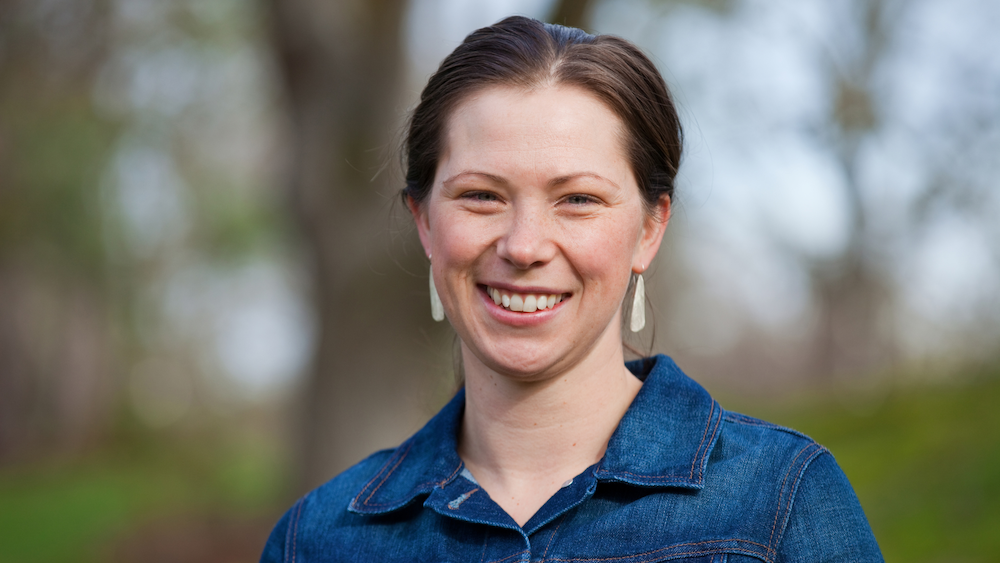
Dr Jo Mackson brings a warm, calm and evidence-based approach to women's health, with a focus on care that's thoughtful and tailored to the individual. More detail on her approach is available on her Health Hunter profile.