Menopause is a natural transition in a woman's life that occurs when her ovaries stop producing eostrogen and progesterone, the hormones that regulate menstruation. Menopause typically occurs between the ages of 45 and 55, but it can happen earlier or later.
The symptoms of menopause can vary from woman to woman, but some of the most common include:
- Hot flashes: Hot flashes are sudden feelings of intense heat that can cause sweating, flushing, and dizziness.
- Night sweats: Night sweats are hot flashes that occur at night, often disrupting sleep.
- Vaginal dryness: Vaginal dryness is a common symptom of menopause that can cause pain during sex and make it difficult to use tampons.
- Mood swings: Mood swings are common during menopause and can be caused by hormonal changes.
- Sleep problems: Sleep problems are another common symptom of menopause and can be caused by hot flashes, night sweats, and mood swings.
- Irregular periods: Irregular periods are one of the earliest signs of menopause and can last for several years before menopause occurs.
- Weight gain: Some women gain weight during menopause, which may be due to hormonal changes or changes in metabolism.
- Changes in skin: Some women experience changes in their skin during menopause, such as dryness, thinning, and wrinkles.
- Hair loss: Some women experience hair loss during menopause.
- Joint pain: Some women experience joint pain during menopause.
- Headaches: Some women experience headaches during menopause.
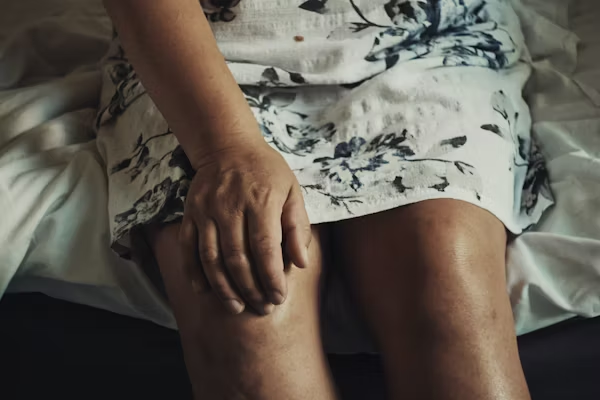
These are just some of the most common symptoms of menopause. Not all women will experience all of these symptoms, and the severity of each symptom can vary from woman to woman.
How to manage menopause symptoms
There are a number of things that women can do to manage the symptoms of menopause.
Lifestyle changes
- Regular exercise: Regular exercise can help to reduce the severity of hot flashes, improve mood, and help you maintain a healthy weight.
- Healthy diet: Eating a healthy diet can help to reduce the severity of hot flashes, improve mood, and help you maintain a healthy weight.
- Relaxation techniques: Relaxation techniques such as yoga, meditation, and deep breathing can help to reduce stress and improve sleep.
- Adequate sleep: Getting enough sleep can help to improve mood, reduce stress, and reduce the severity of hot flashes.
Menopausal hormone therapy (MHT)
If lifestyle changes are not enough to manage your symptoms, your doctor may recommend menopausal hormone therapy (MHT). MHT is a type of medication that replaces the hormones that your ovaries no longer produce. MHT can be effective in treating a variety of menopause symptoms, including hot flashes, night sweats, vaginal dryness, and mood swings.
Complementary therapies
Some women also find that complementary therapies, such as acupuncture, yoga, and massage, can help to manage their menopause symptoms.
Talking to your doctor
If you are experiencing any of the symptoms of menopause, it is important to talk to your doctor. Your doctor can help you to determine the cause of your symptoms and recommend the best treatment options for you.
Here are some additional Australian resources that you may find helpful:
- Australasian Menopause Society: https://www.menopause.org.au/
- Jean Hailes: https://www.jeanhailes.org.au/
- Australian Women's General Practice: https://www.menopause.org.au/hp/gp-hp-resources
- Healthdirect: https://www.healthdirect.gov.au/womens-health