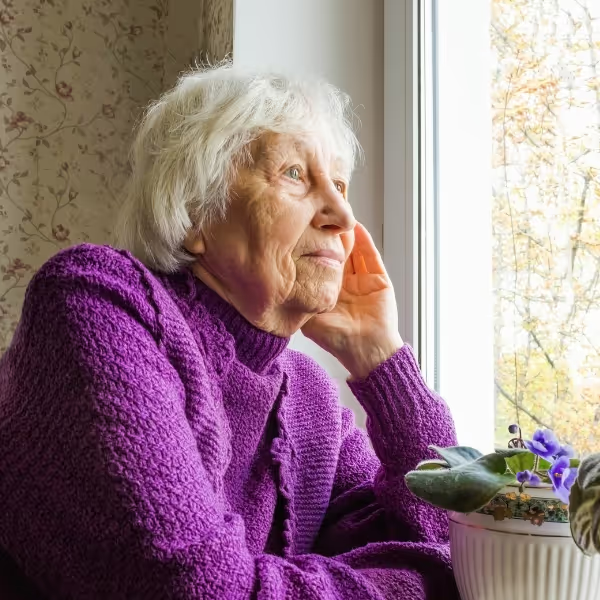
Alzheimer's disease

Alzheimer's disease is a progressive neurological disorder that affects memory, thinking, and behaviour, significantly impacting daily life. Don't face Alzheimer's alone. You can browse GPs, geriatricians, neurologists and other practitioners listed on Health Hunter below who can help with diagnosis, medical treatments, lifestyle adjustments, and ongoing support.

​

The articles on this page can help you stay informed about Alzheimer's care. A GP is a good first step if you or someone close to you has noticed changes in memory or thinking.


664c5cbb03211a46547a3a6c_j48S79TKReqGdN6eVibXS1_W0KEcd_BcUt2H1Kd9UsE.jpeg

Find an
Alzheimer's Disease Practitioner
 near me

Search for more
No items found.

Conditions within
Alzheimer's disease

No items found.

Alzheimer's disease
Featured Articles

Neurology: What Does a Neurologist Test For? A Comprehensive Guide

Neurology is a specialised field of medicine that focuses on diagnosing and treating disorders related to the nervous system, including the brain, spinal cord, and nerves. But what exactly does a neurologist test for? If you or a loved one has been referred to a neurologist, you might be curious about what to expect during your appointment.

Concerned about experiencing neurological symptoms? Five signs you might need to see a neurologist

Experiencing unusual neurological symptoms can be unsettling, especially when they involve your nervous system. Knowing when to seek specialised care from a neurologist can make a significant difference in your health.

Alzheimer's disease
Apps & Services

health-hunter
App

HeartStreet

HeartStreet is an app to help family and friends connect with loved ones living with Alzheimer's and Dementia.
health-hunter
Free

BrainTrack

BrainTrack is an app dedicated to brain health and healthy ageing, helping users understand and modify lifestyle factors to reduce the risk of cognitive decline. The app allows users to identify modifiable risk factors, set brain-healthy goals, monitor cognitive performance, and access reliable information and support. It encourages proactive conversations with GPs about brain health and risk-reduction strategies. Users can download a report to discuss with their GP. Note that the app does not replace formal cognitive assessments.
health-hunter
Free

Dementia Australia

The Dementia-Friendly Home app uses 3D game technology Unreal Engine to offer carers ideas for making homes more accessible for people with dementia. The app includes both small, inexpensive solutions and more significant changes, enabling 70% of people with dementia who live in the community to remain in their homes, continue their regular activities, and stay engaged with their community longer.

What is a
Alzheimer's Disease Practitioner

Many different practitioners help people with Alzheimer's disease and their families. Your GP is usually the first step: they can check for other causes of memory problems and refer you on. Geriatricians, neurologists and old age psychiatrists are specialist doctors who can confirm a diagnosis and manage treatment; you need a GP referral to claim a Medicare rebate. Occupational therapists help people stay safe at home, psychologists support mood and adjustment, and dementia support services help families and carers.

Getting Help With Alzheimer's Disease

Getting a Diagnosis

Memory problems are not always caused by dementia. A GP can check for other causes, such as medicine side effects, low mood or thyroid problems. A specialist may use memory tests and brain scans to confirm Alzheimer's disease.
Health Hunter

Medicines and Symptoms

Health Hunter
There is no cure for Alzheimer's disease, but some medicines may help symptoms for a time in some people. A doctor can explain whether they suit, monitor side effects and help manage sleep problems, agitation or low mood.

Staying Independent

Health Hunter
Occupational therapists can suggest changes to the home, routines and aids that help a person stay safe and independent for longer. Staying active, socially connected and mentally engaged may also support wellbeing.

Support for Carers

Health Hunter
Caring for someone with Alzheimer's disease can be tiring and stressful. Carers can talk to their GP about their own health, see a psychologist or counsellor, or call the National Dementia Helpline on 1800 100 500.

Planning Ahead

Health Hunter
After a diagnosis, it helps to plan while the person can still take part in decisions. A GP can help with an advance care plan, and a lawyer with an enduring power of attorney.

Brain Health

Health Hunter
Looking after heart health, staying active and social, managing hearing loss and not smoking may help lower the risk of dementia. A GP can check blood pressure, cholesterol and blood sugar, and talk about memory concerns early.
Health Hunter
Health Hunter
Health Hunter
Health Hunter

FAQs

How do I find a practitioner for Alzheimer's disease near me?

You can browse practitioners listed on Health Hunter on this page and search by location. Profiles show where each practitioner works and whether they offer telehealth, and you can request an appointment. Your GP is a good first step and can refer you to a specialist if needed.

What is the difference between dementia and Alzheimer's disease?

Dementia is an umbrella term for a group of conditions that affect memory, thinking and behaviour enough to interfere with daily life. Alzheimer's disease is the most common type of dementia. Other types include vascular dementia, dementia with Lewy bodies and frontotemporal dementia.

Can a GP diagnose Alzheimer's disease?

A GP can start the assessment by asking about your symptoms, doing memory screening tests and ordering blood tests to rule out other causes. They will usually refer you to a specialist, such as a geriatrician or neurologist, to confirm the diagnosis. You need a GP referral to claim a Medicare rebate for the specialist.

How can Alzheimer's disease impact daily life?

As Alzheimer's progresses, it can impact all aspects of daily life, including the ability to perform routine tasks, communicate, and maintain relationships. Patients may require increasing levels of care and support as the disease advances.

What causes Alzheimer's disease?

The exact cause of Alzheimer's is not fully understood, but it is believed to involve a combination of genetic, lifestyle, and environmental factors. Abnormal build-up of proteins in the brain, including amyloid plaques and tau tangles, is also associated with the disease.

What are the early signs of Alzheimer's disease?

Early signs of Alzheimer's include memory loss, difficulty completing familiar tasks, confusion with time or place, trouble understanding visual images and spatial relationships, problems with speaking or writing, and misplacing things.