Search Results
Thank you! Your submission has been received!
Oops! Something went wrong while submitting the form.

Women’s Health and Thyroid: A Functional Medicine Approach
Thyroid problems are far more common in women than in men, and many live with the symptoms for years because a standard test came back "normal". Dr Ailina Ismail explains the functional medicine approach: looking for the nutrient gaps, stress load, gut disruption and inflammation underneath the numbers.

Signs of Early Menopause: Recognising the Symptoms
Early menopause, defined as menopause occurring before the age of 45, can be a surprising and sometimes unsettling experience. While the average age for menopause is around 51, many women experience a shift in their hormonal balance much earlier. Recognising the symptoms of early menopause is crucial for seeking appropriate medical advice and exploring management strategies. This blog explores the common signs of early menopause, the potential benefits of lifestyle medicine approaches and helps you confidently manage this stage of life.

Women’s health hub: Embracing 40 with Proactive Strategies for Maintaining Optimal Health
With a proactive approach, coupled with access to reliable information from a women’s health hub like ours, along with support, women can be empowered to navigate life stage changes and embrace a healthy future.

Navigating Hypothyroidism: Understanding Treatment Options and Lifestyle Strategies
Hypothyroidism is a common thyroid disorder where the thyroid gland fails to produce sufficient thyroid hormones, impacting the body's metabolism. It is best to see a hypothyroidism specialist. This condition can lead to a range of symptoms, affecting energy levels, weight, and overall well-being.

Can a Naturopath Help with Hormonal Imbalance?
Discover how a naturopath can help balance hormones naturally, improve energy, mood, and overall wellness with holistic care.


How Much Does Integrative & Functional Medicine Cost in Australia?
Integrative and functional medicine appointments are longer than a standard GP visit, so fees work differently. Typical Australian costs for functional medicine, integrative GP consultations and naturopathy - plus where Medicare and private health rebates apply.
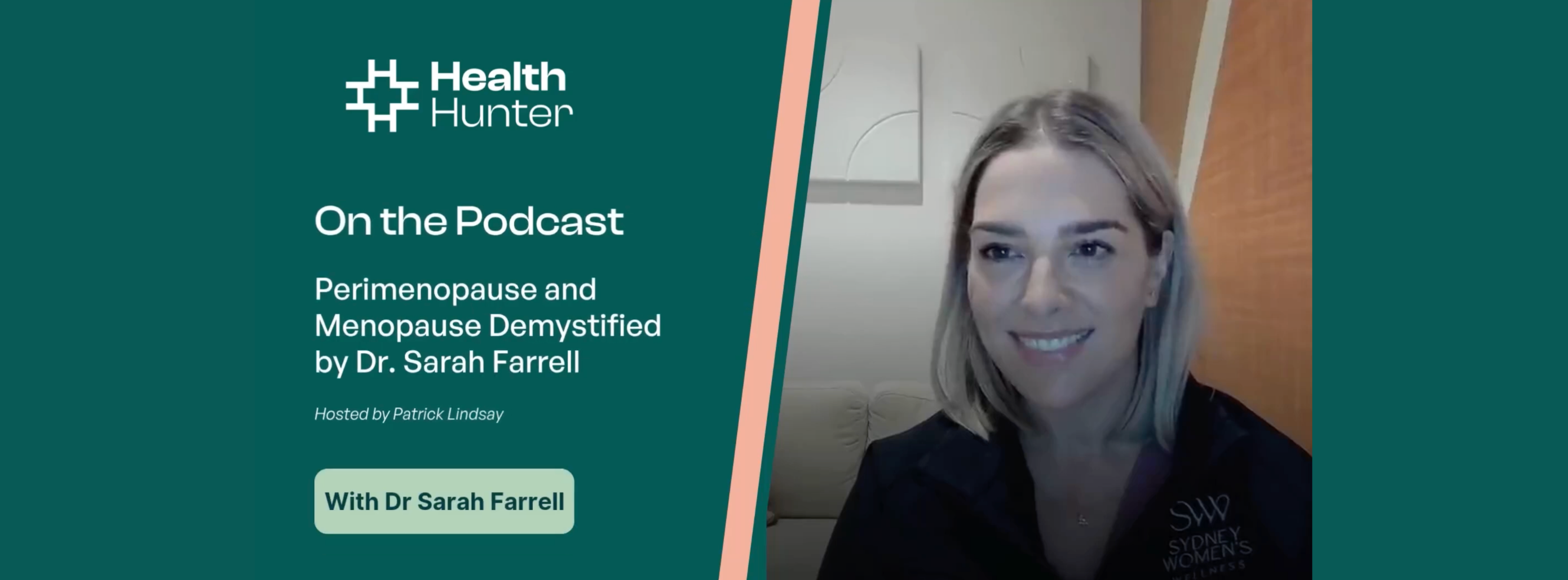
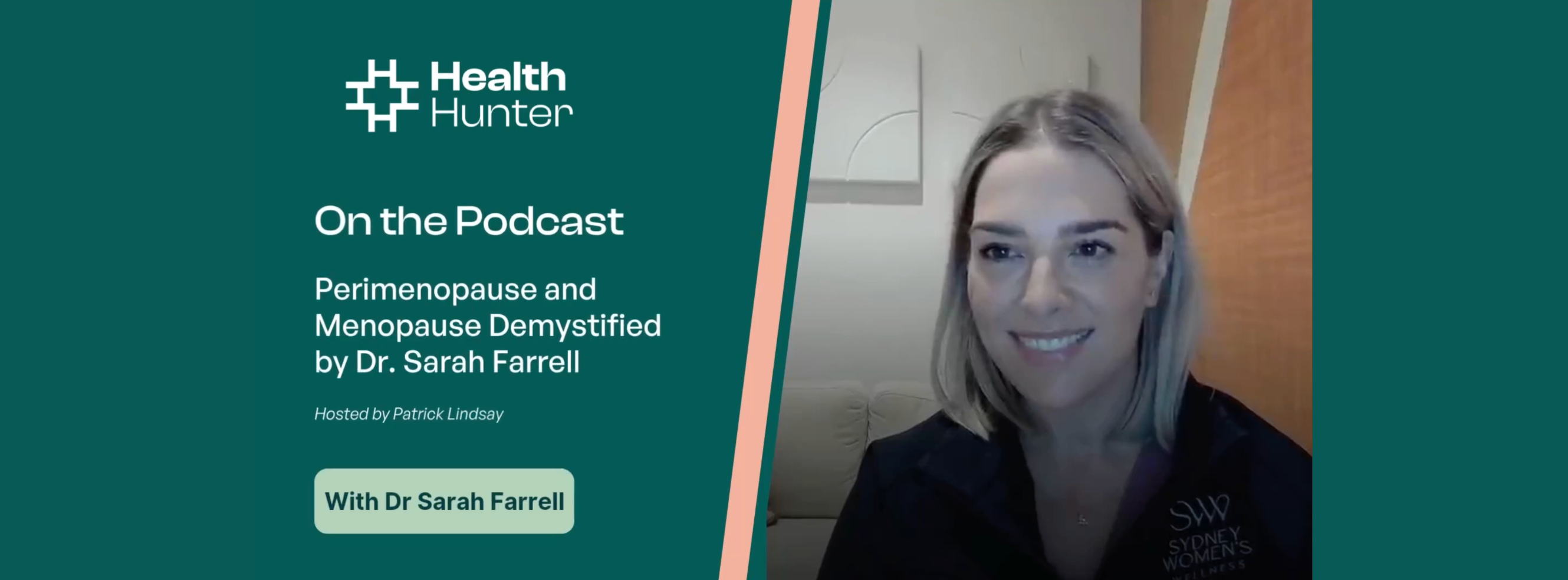
Interview - Why Women’s Health Is Still Under Recognised: A Conversation with Dr Sarah Farrell
Too many women are told their symptoms are just "normal." In this Health Hunter interview, Dr Sarah Farrell, Founder and Principal GP of Sydney Women's Wellness, unpacks why conditions like endometriosis and PCOS are so often missed, and why preventative care and education are key to better long term health outcomes.


Interview - Menopause and Perimenopause: A Conversation with Dr Kafayat Lee
Menopause and perimenopause are talked about often, but not always well understood. Many women experience symptoms without knowing what's happening in their body, or what evidence based options are available to support them.

Understanding Autism Assessments: Signs, Process and What to Expect
Autism is far more common, and far more varied in how it presents, than many people realise. According to the Australian Bureau of Statistics, there were 290,900 Autistic Australians in 2022, a 41.8 per cent increase from 205,200 in 2018. Prevalence is higher in males than females, at 1.6 per cent compared with 0.7 per cent, though this gap has been narrowing, with the growth rate in identified autism among females considerably higher than among males between 2018 and 2022. This reflects a broader, well recognised issue, autism has historically been underdiagnosed in girls and women, partly because diagnostic tools were developed based on how autism tends to present in boys and men.

Integrative Medicine Supports Mental Health Naturally (2026 Guide)
Anxiety and depression are not “niche” problems anymore. In Australia, an estimated 42.9 per cent of adults aged 16 to 85 have experienced a mental disorder at some point in their life, and 21.5 per cent experienced one in the past 12 months. Anxiety disorders are the most common, affecting around 17 per cent of the population. That demand is colliding with real-world barriers like long waitlists, medication side effects, and burnout.

Why Your Blood Tests Can Be “Normal” But You Still Feel Unwell
You eat reasonably well, try to stay active, and have seen multiple healthcare professionals, yet you’re still exhausted. You struggle with brain fog, digestive discomfort, poor sleep, or unexplained aches, but every blood test comes back with the same message: “everything looks normal.” For many Australians, this experience is both frustrating and confusing.

The Gut-Brain Connection in Children: Could Digestive Health Be Affecting Behaviour, Learning and Development?
As parents, it’s natural to focus on what we can see: meltdowns, poor concentration, anxiety, tummy aches, fussy eating or difficulty sleeping. These behaviours can be challenging, and while they may appear unrelated, they’re sometimes clues that something deeper is happening within a child’s developing body and brain. Looking beyond the behaviour to understand what may be contributing to it is an important part of supporting a child's overall wellbeing.

Why Group Programs Can Help With Chronic Pain: The Psychology Explained
Living with chronic pain is often a deeply isolating experience. Even with supportive family and friends, it can be hard for others to fully understand what day to day life with persistent pain actually involves. This is part of why group based pain programs, bringing together people who are all navigating a similar experience under the guidance of a multidisciplinary team, have become such a well established part of pain management in Australia.

How Your Bite Affects Your Entire Body: Understanding Neuromuscular Dentistry
A healthy smile is often associated with straight teeth and good oral hygiene. However, your bite, the way your upper and lower teeth come together, plays a much larger role than many people realise. An imbalanced bite may affect not only your teeth and jaw but also your muscles, posture, headaches, sleep quality and overall wellbeing.

Perimenopause Symptoms Most Women Mistake for Stress or Burnout
Many women in their 40s and 50s find themselves feeling exhausted, emotionally overwhelmed, forgetful, and unlike themselves. The demands of work, family, relationships and everyday responsibilities make it easy to assume these changes are simply the result of stress or burnout. What many women don't realise is that these experiences may actually be linked to perimenopause.
No results found
Apologies, there are no articles that match your search.