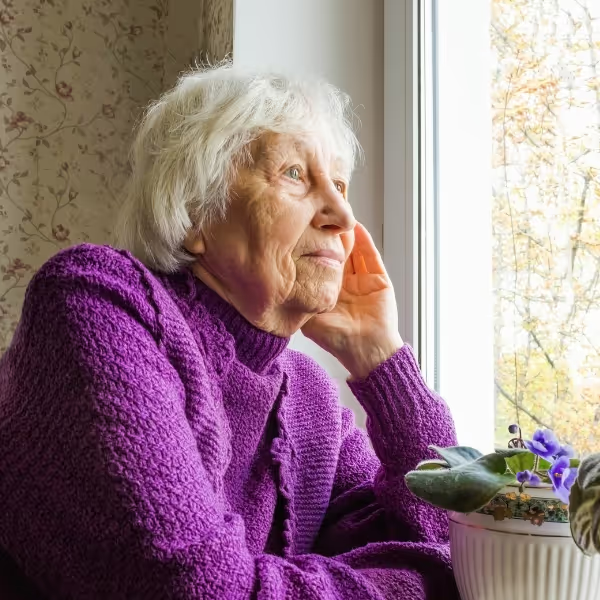
Eye Health

Looking after your eye health is vital for maintaining good vision and overall well-being. The eyes are complex organs that can be affected by various factors, including age, genetics, lifestyle, and environmental conditions. Common eye issues like dryness, strain, and infections can often be managed with proper care, while more serious conditions such as cataracts, glaucoma, and macular degeneration require early detection and medical intervention. Regular eye exams, a balanced diet, wearing protective eyewear, and managing health conditions like diabetes are all important steps to preserve your vision and reduce the risk of eye problems.

​

You can browse and contact optometrists and other practitioners below.

664c39c56dd6c970c0a6903e_E9G-RsSaZjkrwVQW20nU5aVNd0a4Iy_gv5PlkT_is2U.jpeg

Find an
Eye Health Practitioner
 near me

Search for more
66698a709a97f69fcbd92042_1ASuNy_rNM_erZHi813BfmNwZzV9VRkGRliedfjqHaU.jpeg
Telehealth
Dr. Peter Bablis
Integrative Medicine Practitioner
East Sydney
,  
NSW
-33.86873
151.20695
Sydney
,  
NSW
-33.86873
151.20695
Double Bay
,  
NSW
-33.8775
151.2435
Dr Peter Bablis PhD. Is a practising Integrative Clinician, Chiropractor for 35 years, based in Sydney Australia. He is the founder and driving force behind Universal Health‚ whose aim and philosophy is to provide Integrative Medicine of excellence in holistic health care. He is well known and respected in the field for his groundbreaking work in Mind-Body Medicine, Chiropractic and specialises in Kinesiology techniques. He was a Director and the Research Chair of the non-profit research foundation investigating Mind Body medicine www.onefoundation.org. Dr Bablis further hired and managed a Research Director for over 10 years, raising over USD$1 million dollars for research. Dr Bablis is one of the most prolific investigators in Chiropractic Research which include publications on spinal disorders, mechanical health issues, emotional health and endocrine conditions- www.researchgate.net/profile/Peter-Bablis
acupuncture, addiction, adhd, allergies, anti-aging, anxiety, arthritis, asthma, autoimmune-conditions, cardiovascular-disease, childrens-health, chronic-disease, chronic-fatigue, chronic-pain, depression, weight-management, endocrinology, endometriosis-treatment-australia, fertility-and-pregnancy, functional-medicine, gynaecology, health-coaching, high-cholesterol, hormone-issues, hypertension, inflammation, insomnia, integrative-medicine, lifestyle-medicine, menopause, metabolic-health, musculoskeletal, naturopath-near-me, nutrition, obesity, osteoporosis, paediatrics, plant-based-alternative, plant-based-nutrition, preventative-health, rehabilitation, stress, thyroid-and-adrenal-conditions, trauma-therapy, womens-health-hub, eye-health
Health Practitioner
DVA
NDIS
Telehealth Only
This is some text inside of a div block.
Telehealth
Jonelle Parker
Optometrist
Byron Bay
,  
NSW
-28.64221
153.61235
Kingscliff
,  
NSW
-28.25743
153.57797
eye-health
Allied Health
DVA
NDIS
Telehealth Only
This is some text inside of a div block.
3005

Conditions within
Eye Health

No items found.

Eye Health
Featured Articles

No items found.

Eye Health
Apps & Services

health-hunter
Support Group

Vision Australia

Vision Australia support people who are blind or have low vision to live the life they choose.
health-hunter
Support Group

Macular Disease Foundation Australia

Offers a range of supports so all Australians living with a macular condition are equipped to adjust to changes in vision and live an optimal quality of life.

What is a
Eye Health Practitioner

Eye health practitioners come from a range of backgrounds and look after your eyes and vision. Optometrists test vision, prescribe glasses and contact lenses, and check for conditions such as glaucoma and macular degeneration. You do not need a referral to see one. Ophthalmologists are specialist doctors who diagnose and treat eye disease and perform eye surgery, such as cataract surgery; you need a referral from your GP or optometrist to claim a Medicare rebate. Your GP can help with minor problems, such as some infections.

How Can Practitioners Help With Eye Health?

Vision Tests

An optometrist can test your vision and check for short-sightedness, long-sightedness, astigmatism and age-related changes in close-up vision. They can prescribe glasses or contact lenses. Eye checks for children can pick up problems early.
Health Hunter

Eye Disease Checks

Health Hunter
Glaucoma and macular degeneration can damage sight before you notice symptoms. An eye examination can pick up early signs, and an ophthalmologist can confirm the diagnosis and manage treatment. Finding them early helps protect your vision.

Diabetes and Eyes

Health Hunter
Diabetes can damage the back of the eye (diabetic retinopathy). People with diabetes need regular eye checks with an optometrist or ophthalmologist, even if vision seems normal. Managing blood sugar, blood pressure and cholesterol also helps.

Urgent Warning Signs

Health Hunter
Sudden vision loss, new flashes or floaters, a curtain over your vision, or an eye injury or chemical splash need urgent care, so call 000 or go to an emergency department. After hours, call healthdirect on 1800 022 222.

Cataract Care

Health Hunter
A cataract is a clouding of the eye's lens that can make vision blurry or dim. Cataracts are common with age. An optometrist can detect them, and an ophthalmologist can discuss surgery when they affect daily life.

Dry, Itchy Eyes

Health Hunter
Dry, gritty or itchy eyes are common, often linked to screen use, allergies, contact lenses or ageing. An optometrist can check the cause and suggest options like eye drops. A GP can help with infections or allergies.
Health Hunter
Health Hunter
Health Hunter
Health Hunter

FAQs

Do I need a referral to see an optometrist?

No, you do not need a referral to see an optometrist, and you can book directly. If the optometrist finds something that needs specialist care, they can refer you to an ophthalmologist, and that referral lets you claim a Medicare rebate for the specialist visit.

Can lifestyle changes improve eye health?

Yes, lifestyle changes such as maintaining a healthy diet rich in fruits and vegetables (especially those containing antioxidants like vitamins A, C, and E), not smoking, managing chronic conditions like diabetes, staying physically active, and protecting your eyes from injury can help preserve eye health and reduce the risk of developing eye conditions.

How often should I have an eye exam?

It is recommended to have an eye exam at least once every two years for adults with no significant eye issues. However, people over 60, those with certain medical conditions (like diabetes), or those with a family history of eye disease may need annual exams. Children should have their eyes checked regularly to detect any vision problems early on.

What are common eye conditions?

Common eye conditions include refractive errors (such as nearsightedness, farsightedness, and astigmatism), dry eyes, cataracts, glaucoma, age-related macular degeneration (AMD), diabetic retinopathy, and conjunctivitis (pink eye). These conditions can range from mild to severe and can affect vision if not treated.